Historic England Issues Stark Warning Over Tower of London's Future
In a dramatic intervention, Historic England has declared that the Tower of London faces the risk of "serious harm" if the City of London Corporation's draft City Plan 2040 is adopted in its current form. The government's official advisory body on heritage matters has raised profound concerns about the potential impact of new skyscraper developments enabled by the plan on the historic fortress's integrity and significance.
Quantum, Scale and Location of Development Under Scrutiny
Historic England's formal response to the latest consultation round specifically highlights that "the quantum, scale and location of development" permitted under the draft plan would have serious implications for the Tower of London. The organization maintains that these elements would cause significant damage to the historic environment, including compromising the Outstanding Universal Value of the UNESCO World Heritage Site.
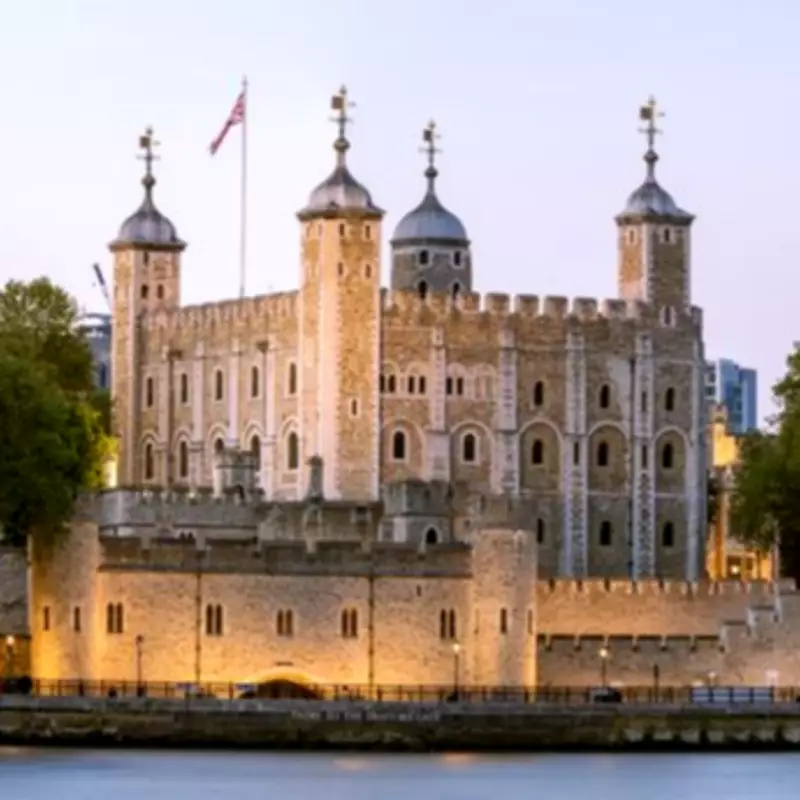
The Tower of London, constructed in the 1070s by William the Conqueror, stands as one of London's most iconic landmarks. Located on the western edge of Tower Hamlets adjacent to the City of London, the fortress has served multiple historical roles including as a royal palace, prison for figures ranging from Anne Boleyn to the Kray twins, and protector of the Crown Jewels.

International Conservation Bodies Express Concern
Historic England is not alone in its apprehensions. ICOMOS, the conservation body that advises UNESCO, has conducted a technical review recommending that the UK Government should "call-in" approvals for two major development schemes: 1 Undershaft and 70 Gracechurch Street. Furthermore, ICOMOS has suggested that the draft City Plan 2040 requires "drastic revision" to adequately protect heritage assets.
Historic Royal Palaces, the organization responsible for managing the Tower of London, has also publicly expressed opposition to elements of the plan that could negatively impact the City's heritage. These concerns echo previous warnings from UNESCO, which in 2024 requested a State of Conservation Report from the UK Government regarding the effects of tall buildings on the Tower.
City Corporation Defends Its Planning Approach
A spokesperson for the City of London Corporation responded to the criticism by asserting confidence that the City Plan is built on "solid foundations." They emphasized that the plan recognizes the "exceptional significance" of the World Heritage Site and takes a "bespoke and exhaustive approach to tall buildings and heritage."
The Corporation pointed out that following extensive public hearings, planning inspectors have issued modifications to the City Plan that are "few in number, limited in scope and fully align with the key aims of the plan." These modifications aim to balance the delivery of additional office floorspace up to 2040 with the celebration of the City's heritage.
Ongoing Examination Process and Stakeholder Input
The City Plan 2040, equivalent to most councils' Local Plans, encompasses everything from transport infrastructure to green spaces and heritage protection. It effectively outlines the Corporation's vision for the Square Mile for the next fourteen years. Planning inspectors Alastair Phillips and Jameson Bridgwater have been tasked with reviewing the plan and recommending necessary changes to ensure its soundness.
While Historic England has welcomed some modifications made since last year's hearings and praised the "collaborative approach established with City Officers," the organization maintains that fundamental concerns remain unaddressed. Historic England notes that "attributes of the Tower of London's Outstanding Universal Value have already been 'compromised,'" a situation that would be "exacerbated" by the draft plan as it currently stands.

Broader Heritage Concerns Beyond the Tower
The controversy extends beyond the Tower of London alone. Other stakeholders have raised concerns about the impact of tall buildings on additional heritage sites, including the S&P Sephardi Community's worries about Bevis Marks Synagogue. Meanwhile, development industry organizations have submitted their own responses, with consultancy DP9 filing submissions on behalf of clients British Land and BNP Paribas that welcome certain plan elements while suggesting amendments to areas such as cycle parking provisions.
Once planning inspectors have considered all consultation responses, they will provide the Corporation with an updated report. Following this, the City Plan 2040 is expected to move toward formal adoption, though the process continues to face significant scrutiny from heritage organizations and conservation bodies determined to protect London's historical landmarks from inappropriate development.