London's Southbank Centre Gains Grade II Listed Status After 35-Year Battle
A building once famously dubbed Britain's ugliest has now been officially recognised as a national treasure. The Southbank Centre, a sprawling arts complex in London, has been granted Grade II listed status, marking the culmination of a decades-long campaign to preserve its architectural legacy.
A Divisive Architectural Landmark
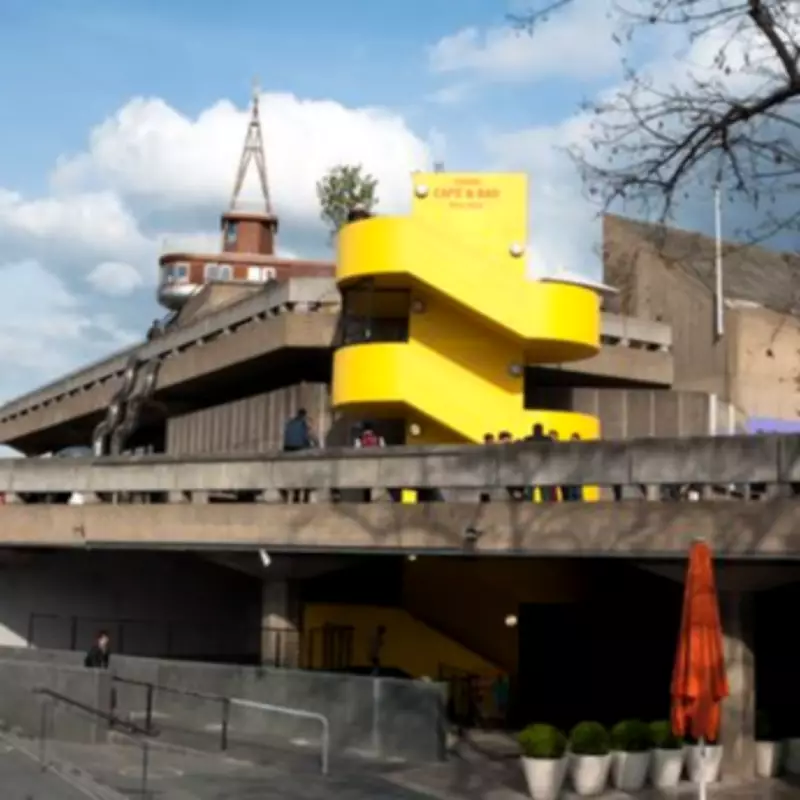
Designed by Brutalist architect Norman Engleback and completed in 1967, the Southbank Centre has long polarised public opinion. Upon its opening, it was voted the ugliest building in Britain by readers of the Daily Mail, which featured it under the headline "Is this Britain's ugliest building?" The newspaper later cited engineers who ranked it among the nation's most unattractive structures.
However, the complex has also been celebrated as a concrete masterpiece, embodying the raw, functional aesthetics of Brutalism. This architectural style, which emerged in the mid-twentieth century, is characterised by bold geometric forms, exposed structural materials, and a focus on utilitarian design.

Victory for Heritage Campaigners
The listing decision ends a 35-year battle led by organisations such as Historic England and the Twentieth Century Society, which have repeatedly urged ministers to protect the building since 1991. With Grade II status, any future alterations to the Southbank Centre will now require strict heritage oversight, ensuring its preservation for generations to come.
Catherine Croft, Director of the Twentieth Century Society, hailed the move as a significant victory. "The battle has been won and Brutalism has finally come of age," she stated. "This is a victory over those who derided so-called 'concrete monstrosities' and shows a mature recognition of a style where Britain led the way."
Croft added, "We're absolutely thrilled that this internationally recognised concrete masterpiece of post-war architecture has finally been accepted as part of our national heritage, some 35 years after the Twentieth Century Society first campaigned for the Southbank Centre to be protected."
An Enduring Cultural Hub
Beyond its architectural significance, the Southbank Centre serves as a vibrant arts hub, hosting exhibitions, talks, and various events throughout the year. Its outdoor spaces, including a popular fountain area, attract visitors and locals alike, especially during the summer months.
The listing not only safeguards the building's physical structure but also acknowledges its role in London's cultural landscape. As debates over its aesthetic value continue, this decision underscores a broader shift in appreciating Brutalist architecture as a vital part of Britain's architectural heritage.