Southbank Centre Secures Grade II Listed Status After 35-Year Campaign
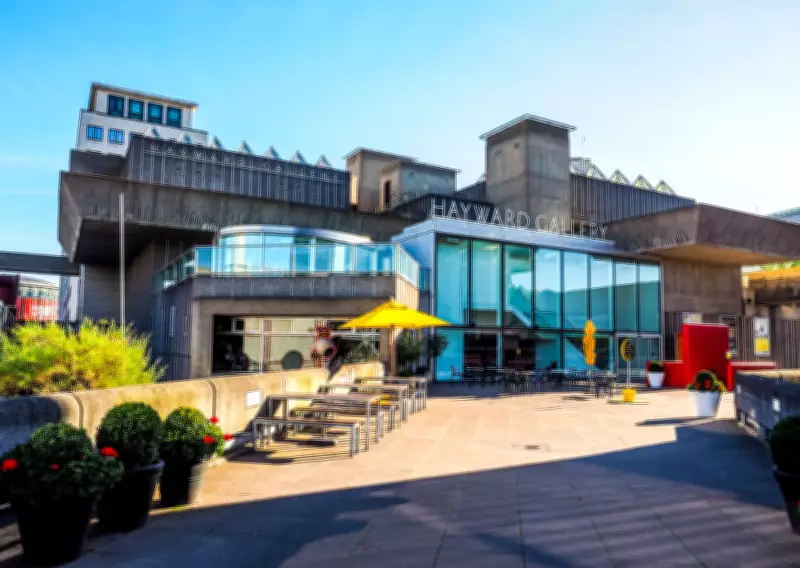
In a landmark decision that underscores a dramatic shift in architectural appreciation, the Southbank Centre in London has been awarded Grade II listed status by the Department for Culture, Media and Sport. This protection, announced on February 10, 2026, ensures that the iconic brutalist complex, including the Hayward Gallery, Purcell Room, Queen Elizabeth Hall, and its renowned skatepark, will be preserved for future generations.
From 'Ugliest Building' to Protected Masterpiece
The journey to this listing has been a long and contentious one. Back in 1967, readers of the Daily Mail infamously voted the Southbank Centre as Britain's ugliest building, reflecting the polarising nature of its bold, concrete design. However, perceptions have evolved significantly over the decades. Today, the complex is celebrated as a prime example of brutalist architecture, with its mesmerising staircases and spectacular interior spaces now widely regarded as works of art.
The Twentieth Century Society and Historic England had recommended the Southbank Centre for listing on six separate occasions since 1991, highlighting its cultural and architectural significance. Despite these endorsements, the building faced numerous threats from demolition plans over the years, creating a 35-year impasse that has only now been resolved with this official designation.

Architectural Significance and Design Legacy
Designed by a team led by Norman Engleback, who also contributed to Crystal Palace's National Sports Centre, the Southbank Centre opened in 1967. It underwent a substantial revamp in 2018, focusing on the restoration and conservation of key venues like the Hayward Gallery, Queen Elizabeth Hall, and Purcell Room. Grade II status signifies that the structure is of 'special interest', mandating the preservation of its layout, exterior, and interiors.
Catherine Croft, director of the Twentieth Century Society, praised the decision, describing the Southbank Centre as 'one of the best brutalist buildings in the world'. She emphasised that the listing is 'obviously very well deserved and long overdue', noting the arts complex as a 'highly sophisticated, sculptural masterpiece' with unparalleled richness in form and detail. According to Croft, the experience it offers concert-goers and gallery visitors remains unrivalled in the country.
Context and Celebrations
This listing adds to the heritage protection of the Southbank area, where other major buildings already hold listed status. The Royal Festival Hall has been Grade I listed since 1988, and the National Theatre achieved Grade II* listed status in 1994. The timing of this decision is particularly poignant as it coincides with the Southbank Centre's 75th birthday celebrations this year, which will be marked with a year-long series of events.
The protection of the Southbank Centre not only safeguards a key piece of London's architectural history but also reflects broader trends in the reevaluation of post-war design. As brutalist structures gain renewed appreciation, this listing serves as a testament to the enduring value of innovative and controversial architectural works in shaping the city's cultural landscape.