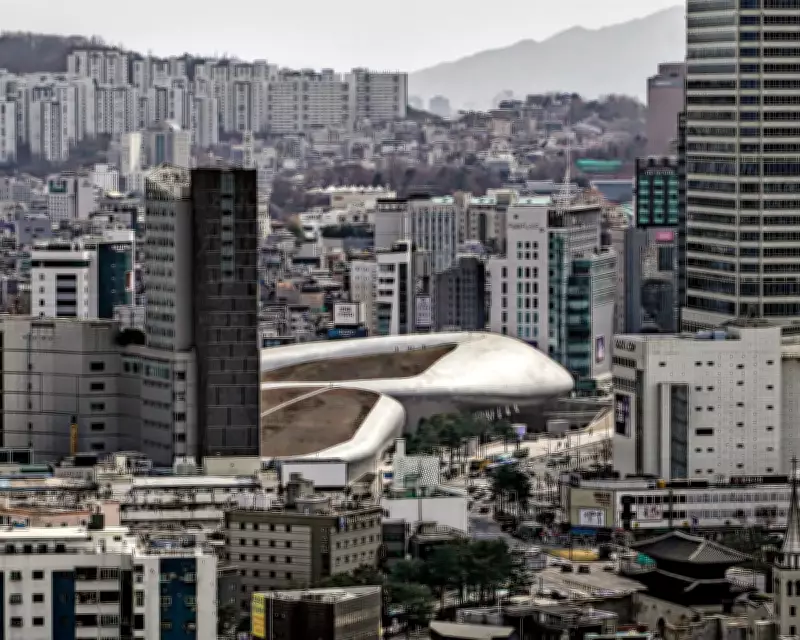
Gangnam, a district in Seoul, South Korea, is home to a remarkable collection of brutalist architectural gems that stand as powerful symbols of the nation's rapid modernization and urban development. These concrete structures, often characterized by their raw, monolithic forms and functional aesthetics, offer a stark contrast to the sleek glass towers that dominate much of the city's skyline. The brutalist movement in South Korea, which gained prominence in the mid-20th century, reflects a period of intense economic growth and social transformation, with architects embracing the style to create buildings that were both durable and expressive of a new national identity.
The Rise of Brutalism in South Korea
Brutalism emerged in South Korea during the 1960s and 1970s, a time when the country was undergoing significant industrialization and urbanization. Influenced by international trends, particularly from Europe and Japan, Korean architects adopted brutalist principles to design public buildings, universities, and residential complexes. The style's emphasis on raw concrete, geometric shapes, and honest materiality resonated with the pragmatic needs of a developing nation. In Gangnam, which was largely undeveloped until the 1970s, brutalist structures became integral to the area's transformation into a bustling commercial and cultural hub, symbolizing progress and resilience.
Notable Examples in Gangnam
Among Gangnam's brutalist gems are several iconic buildings that have become landmarks in their own right. For instance, the Korea Land and Housing Corporation headquarters, with its imposing concrete facade and modular design, exemplifies the utilitarian ethos of the era. Similarly, the Seoul Arts Center, though incorporating more varied materials, retains brutalist elements in its massive, sculptural forms. These buildings are not merely functional spaces but also artistic statements, showcasing the creativity of architects who worked within the constraints of limited resources and tight budgets. Their preservation has sparked debates about heritage and modernity, as some face threats from redevelopment projects.

Cultural and Social Significance
The brutalist architecture in Gangnam holds deep cultural and social significance, reflecting South Korea's journey from post-war recovery to economic powerhouse. These structures often served communal purposes, such as housing government offices, educational institutions, and cultural venues, fostering a sense of collective identity. Over time, they have become nostalgic symbols for older generations who witnessed the country's transformation, while younger people are increasingly appreciating their aesthetic and historical value. The raw, unadorned surfaces of brutalist buildings challenge conventional notions of beauty, inviting viewers to reconsider the role of architecture in shaping urban environments and societal values.
Challenges and Preservation Efforts
Despite their importance, many brutalist buildings in Gangnam and across South Korea face challenges due to aging infrastructure, changing tastes, and development pressures. Some have been demolished to make way for newer, more profitable constructions, leading to concerns about the loss of architectural heritage. However, preservation efforts are gaining momentum, with advocacy groups and historians highlighting the need to protect these structures as part of the nation's cultural legacy. Initiatives include designating certain buildings as protected landmarks, promoting adaptive reuse projects, and raising public awareness through exhibitions and tours. These efforts aim to balance modernization with conservation, ensuring that future generations can experience these brutalist gems.
In conclusion, Gangnam's brutalist architectural gems are more than just concrete edifices; they are vital pieces of South Korea's urban tapestry, embodying the nation's history, aspirations, and artistic innovation. As Seoul continues to evolve, recognizing and preserving these structures is crucial for maintaining a diverse architectural landscape that tells the story of a dynamic society. Whether admired for their bold forms or critiqued for their austerity, these buildings remain enduring testaments to a pivotal era in Korean history.