The Transformation of Corporate Hospitality in UK Sports Arenas
The traditional corporate box, once a staple of sports stadium hospitality, is undergoing a significant evolution across the United Kingdom. Clubs and architects are increasingly designing venues that function as 365-day businesses, moving far beyond the conventional matchday experience.
Architectural Innovations Redefining Stadium Design
Major projects across England demonstrate this shift in thinking. Birmingham City's master plan includes distinctive chimneys, while Manchester United's proposed New Trafford development features three towers within its 100,000-seat vision. Tottenham Hotspur Stadium incorporates a brewery, and Manchester City's Etihad Stadium expansion includes a new tier with surrounding complex facilities.
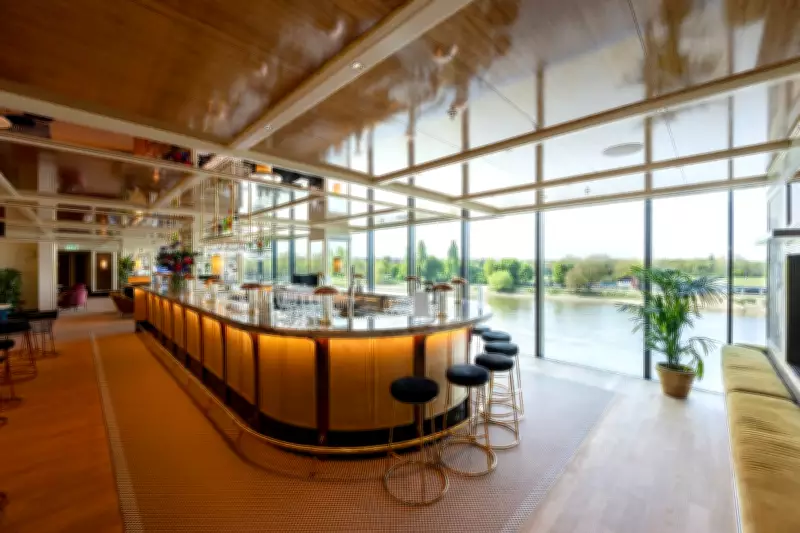
Perhaps most striking is the development along London's Thames, where Fulham FC's Riverside Stand represents a new approach to stadium design. This structure leans over the riverbank, featuring a rooftop pool and extensive glass facades facing away from the pitch. Notably absent from this development are traditional corporate boxes.

A New Philosophy in Stadium Hospitality
Fulham's chief executive Alistair Mackintosh made the club's position clear when the Riverside's Sky Deck opened last year, stating: "At other clubs you hear the c-word. Here the c-words are champagne and caviar." This statement reflects a broader movement toward premium, flexible experiences rather than rigid corporate arrangements.
Jimmy Ord, Fulham's head of sales, explains their approach: "We haven't intentionally built the standard with no boxes, but what we've built is first and foremost designed to operate in an everyday mode. We aren't setting out to remove the concept of a corporate box but I think we wanted to operate it as an everyday venue."
The Changing Expectations of Corporate Clients
This trend extends beyond football to other sports. While Tottenham's stadium includes two stories of boxes, their premium second tier focuses more on lounge experiences. Twickenham's Allianz Stadium combines corporate boxes with extensive premium restaurant offerings and off-site hospitality options.
Ord highlights the changing client expectations: "We don't see the future of hospitality representing what boxes have represented previously, which is along the lines of, 'I must almost be forced to commit to an arbitrary number of seats dictated by the club or the venue, I then have to work incredibly hard 20-plus times season to find 10 people of value again'. That's a real challenge."
Flexibility and Customisation Become Paramount
Neil Bailey, chief of hospitality firm Pitch Experiences, confirms this shift toward flexibility. For events like the Six Nations rugby tournament, hospitality packages that allow clients to take two seats at a table of ten, or book a full table just once per season, are proving increasingly popular.
"When we're looking at the boxes for next season," Bailey explains, "we're looking at a slightly more informal, relaxed experience away from stale, staid boxes. That's centered around the match, it's far more curated and bespoke – from the music with playlists or DJs to the food."
This customisation extends to creating themed experiences around specific events, such as Korean chefs for K-pop concerts at Wembley Stadium. Additional activations might include champagne tastings, tequila samplings, or even tailor fittings within hospitality spaces.
The Premium Experience Economy
Fulham's Sky Deck illustrates this premium approach, with season tickets priced at £7,750 alongside single-match options. As clubs consider future developments, the question becomes whether more stands will follow the Riverside model of box-free design.
Ord suggests an open-minded approach: "We will consider every angle. From an experience point of view, how does a new development become additive to the experience that the Riverside already represents?"
While the traditional corporate box isn't completely extinct, its role is undoubtedly changing. A new wave of premium, flexible hospitality offerings is expanding across UK sports venues, creating more diverse and engaging experiences for corporate clients and fans alike.