London's Iconic BT Tower Set for Hotel Transformation Under New Architect
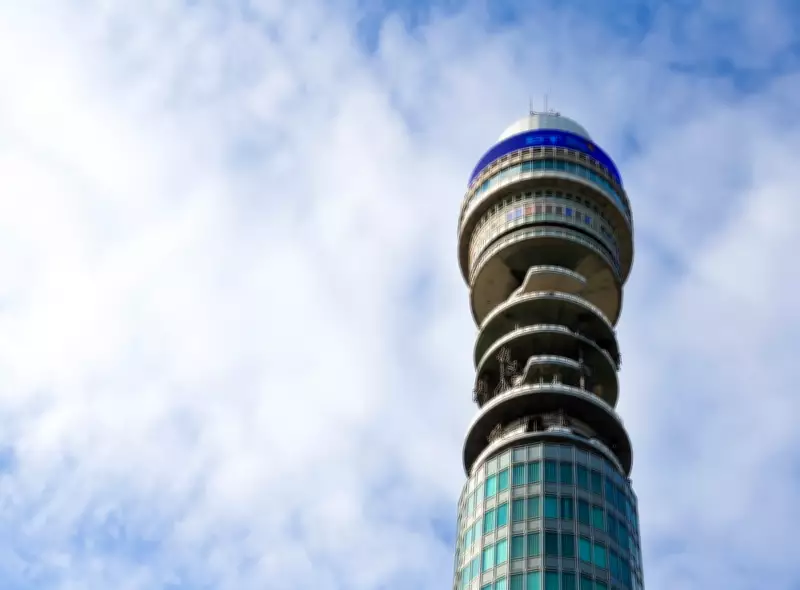
One of London's most recognizable yet inaccessible landmarks is moving closer to public accessibility, as Shoreditch-based architecture firm Orms has been appointed to convert the BT Tower into a boutique hotel. This development follows the acquisition of the Grade II-listed building by American hotel chain MCR for £275 million in February 2024, marking a significant shift for the structure that has been largely off-limits since the 1970s.
Architectural Shift from Heatherwick Studio to Orms
Initially, Camden's Heatherwick Studio was slated to oversee the redevelopment, with founder Thomas Heatherwick expressing enthusiasm for the project. However, the firm has since stepped back, with a spokesperson stating they are no longer involved and wishing MCR success. The reasons for this change remain unspecified, but all attention now turns to Orms, which is expected to unveil its preliminary designs during a public consultation in May.
Orms brings a strong track record in boutique hotel projects, having previously transformed Camden Council's brutalist headquarters into the upscale Standard hotel in 2019. The firm also contributed to the Outernet, an immersive entertainment space near Tottenham Court Road station that became London's top attraction in 2023, showcasing their expertise in revitalizing urban spaces.

Historical Context and Public Access
The BT Tower, originally opened in 1964 and dubbed the 'white heat of technology' by then-Prime Minister Harold Wilson, saw reduced public access after a bomb incident by the Angry Brigade in 1971. Its viewing platform closed that year, and the revolving restaurant, Top of the Tower, operated intermittently until 1980. Since then, access has been limited to private events, making this hotel project a potential revival of public enjoyment of the tower's panoramic views.
Support from Heritage and Leadership
Historic England's regional director, Tom Foxall, has praised MCR's approach, noting that the emerging scheme aims to preserve the tower's architectural significance while reconfiguring internal spaces for public use and economic growth. MCR chair and CEO Tyler Morse emphasized their vision to bring the tower back into public life, celebrating its iconic status and contributing to London's vibrancy.
This transformation represents a major step in repurposing a historic London landmark, blending heritage conservation with modern hospitality. As plans develop, the project promises to reintegrate the BT Tower into the city's cultural and economic fabric, offering new opportunities for public engagement and tourism.