Brutalist Southbank Centre Finally Listed After 35-Year Campaign
In a landmark decision hailed by heritage campaigners as "long overdue," the brutalist Southbank Centre in London has been granted Grade II listed status. This marks a dramatic turnaround for a complex that was once voted Britain's ugliest building, cementing its place in the nation's architectural heritage after a thirty-five-year battle for recognition.
A Victory for Brutalist Architecture
The decision represents what campaigners describe as the coming of age of brutalism in Britain. Catherine Croft, director of the Twentieth Century Society, which has championed the building's protection since the 1980s, expressed her delight at the outcome. "The battle has been won and brutalism has finally come of age," she declared. "This is a victory over those who derided so-called 'concrete monstrosities' and shows a mature recognition of a style where Britain led the way."
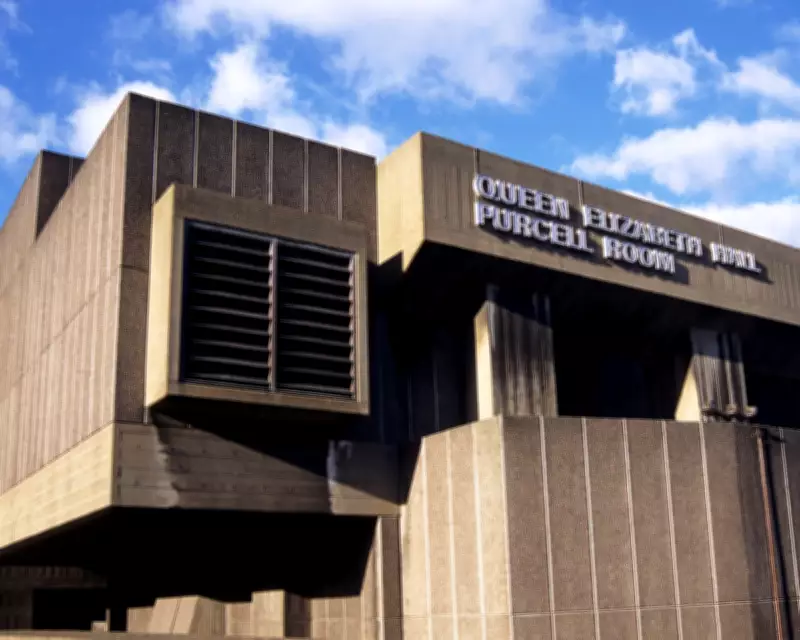
Successive governments had resisted six separate proposals to list the centre, which comprises the Hayward Gallery, the Purcell Rooms, and the Queen Elizabeth Hall, along with its famous makeshift skatepark in the basement. Designed by the architects department led by Norman Engleback for the former London County Council and completed in 1967, the complex faced immediate criticism upon its unveiling.

From 'Supreme Ugly' to Protected Heritage
When the Queen Elizabeth Hall first opened, engineers voted it "the supreme ugly" in a poll of new buildings. The Daily Mail famously ran a picture of the Southbank Centre under the headline "Is this Britain's ugliest building?" This perception has now been completely overturned by the listing decision.
Croft highlighted that the listing corrects a longstanding anomaly, as the Southbank Centre was the only unlisted building in the arts complex on the south side of the Thames. Its neighbours include the modernist Royal Festival Hall, which holds Grade I listed status, and the National Theatre, another brutalist structure with Grade II* protection.
Government Reversal on Listing
The Department for Culture, Media and Sport has now accepted the advice of Historic England, which praised the centre's "bold geometric formations clustered to sculptural effect with a correspondingly dramatic silhouette." The heritage body specifically commended the building's "use of exposed concrete in which the monumental scale is countered by the fine texture and tactility of its surface finishes, executed with exemplary technical skill."
This represents a significant reversal from the government's previous position. In 2018, the DCMS rejected listing the Southbank Centre, arguing its architecture was "not unique or groundbreaking." The following year, the building was made immune from listing under a licence that expired in February 2023, despite the owners requesting a five-year extension.
Future Investment and Preservation
With listed status now secured, the Southbank Centre has urged ministers to fund a multimillion-pound refurbishment programme. A spokesperson emphasised that "the listing underlines the need for government investment in our buildings – all of which they own." The centre has requested £30 million from the government to support infrastructure improvements as part of its seventy-fifth anniversary celebrations.
Previous redevelopment plans for the site included wrapping it in a shell designed by the late Terry Farrell and placing it under a glass roof in a £70 million scheme by the late Richard Rogers. The new listed status will ensure any future changes respect the building's architectural significance while securing its preservation for generations to come.