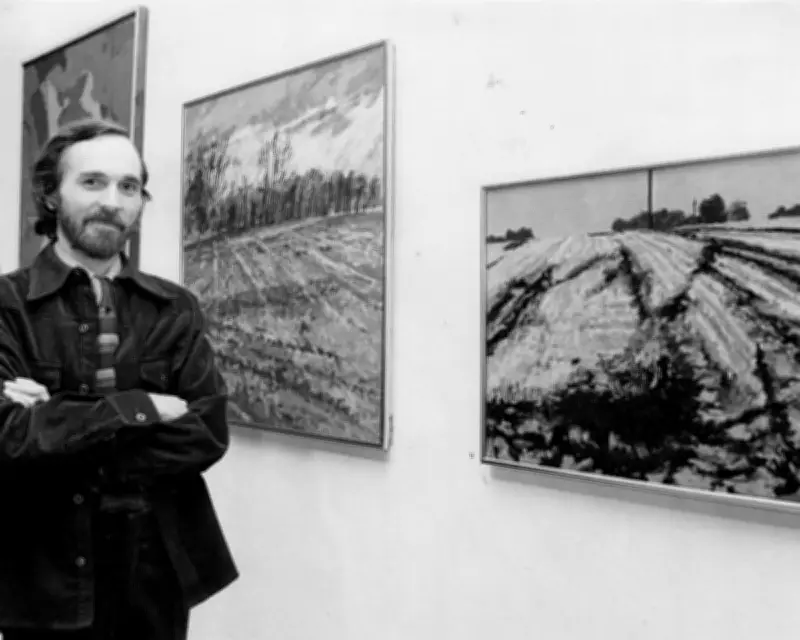
Alan Burgess: A Legacy in Steel and Glass
The architectural world mourns the loss of Alan Burgess, who passed away peacefully at his London home on February 14, 2026, at the age of 92. Known for his visionary contributions to the city's skyline, Burgess was a master of blending modernist principles with environmental sustainability, creating structures that have become landmarks in their own right.
Early Life and Career Beginnings
Born in 1934 in Manchester, Burgess moved to London in the 1950s to study at the Architectural Association School of Architecture. His early work was influenced by the post-war rebuilding efforts, where he quickly gained a reputation for innovative designs that prioritized both functionality and aesthetic appeal. By the 1970s, he had established his own firm, Burgess Associates, which would go on to shape much of London's contemporary architecture.
Iconic Projects and Sustainable Vision
Burgess's portfolio includes some of London's most recognizable buildings, such as the Thamesview Tower in Canary Wharf, completed in 1995. This skyscraper was celebrated for its use of energy-efficient materials and natural light optimization, setting a new standard for green building practices in the UK. Other notable projects include the Riverside Cultural Centre in Southwark and the modular housing developments in Hackney, which emphasized community spaces and low-carbon footprints.

Throughout his career, Burgess was a vocal advocate for sustainable urban development. He often spoke at conferences and wrote extensively on the need for architecture to address climate change, incorporating features like rainwater harvesting and solar panels into his designs long before they became mainstream.
Recognition and Personal Life
Burgess received numerous awards, including the Royal Institute of British Architects (RIBA) Stirling Prize in 2000 for his work on the Thamesview Tower. He was also appointed a Commander of the Order of the British Empire (CBE) in 2010 for services to architecture and sustainability. Outside of his professional life, he was an avid painter and a supporter of local arts charities, often donating his time and resources to community projects.
He is survived by his wife, two children, and four grandchildren. Tributes have poured in from colleagues and admirers, highlighting his mentorship of young architects and his unwavering commitment to creating spaces that enhance urban life. His legacy continues through the many buildings that dot London's landscape, serving as a testament to his innovative spirit and dedication to a greener future.