US and Japan Unveil $36 Billion Energy and Minerals Partnership in Strategic Move
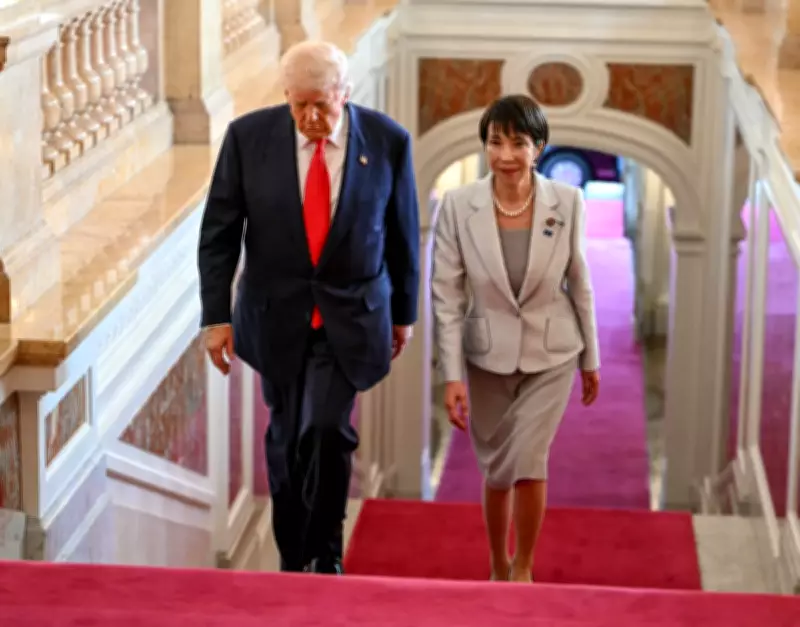
In a significant diplomatic and economic development, the United States and Japan have jointly announced a series of major investments totaling approximately $36 billion in American oil, gas, and critical minerals projects. This landmark agreement, unveiled by US President Donald Trump and Japanese Prime Minister Sanae Takaichi during a high-profile meeting in Tokyo in October 2025, represents a bold strategic initiative designed to strengthen bilateral ties and reduce dependence on foreign resources, particularly from China.
Major Projects and Strategic Objectives
The first wave of this comprehensive partnership includes three key projects that underscore the scale and ambition of the collaboration. Foremost among them is a massive natural gas-fired power plant in Portsmouth, Ohio, which the Trump administration has hailed as the largest facility of its kind in US history. This plant, operated by SB Energy, a subsidiary of Japan's SoftBank Group, is projected to generate an impressive 9.2 gigawatts of electricity annually, marking a substantial boost to American energy infrastructure.
Additionally, Japan will invest in a deepwater crude oil export facility located off the coast of Texas, enhancing US energy export capabilities. The third project involves a synthetic industrial diamond manufacturing site in Georgia, valued at around $600 million. This facility is specifically designed to ensure domestic production of synthetic diamond grit, a critical material essential for advanced manufacturing processes and semiconductor production.

Political and Economic Context
President Trump emphasized the strategic importance of these investments, declaring in a social media post, "Our massive trade deal with Japan has just launched." He further asserted that the industrial diamond project would "end our foolish dependence on foreign sources," a clear reference to reducing reliance on China, which currently dominates the global critical minerals market. Trump credited tariffs as a key enabler of the deal, stating, "The scale of these projects are so large, and could not be done without one very special word, tariffs." However, this approach has raised concerns among some US economists, who warn it could exacerbate inflationary pressures.
Prime Minister Takaichi, while not directly mentioning China, highlighted the enhanced economic security benefits for both nations. She expressed hope that the investments would strengthen Japan's ties with the US, particularly amid ongoing diplomatic tensions with China over Taiwan. Takaichi had previously angered Chinese officials in November 2025 by suggesting potential Japanese military involvement in response to a Chinese invasion attempt on Taiwan, adding a layer of geopolitical urgency to the economic partnership.
Broader Implications and Market Dynamics
This $36 billion investment represents the initial phase of a broader $550 billion commitment Japan made under a trade agreement with the US last year. In return, the Trump administration agreed to reduce tariffs on Japanese exports, including automobiles, fostering a reciprocal economic relationship. US Commerce Secretary Howard Lutnick elaborated on the strategic benefits, noting, "Japan is providing the capital. The infrastructure is being built in the United States. The proceeds are structured so Japan earns its return, and America gains strategic assets, expanded industrial capacity, and strengthened energy dominance."
The deal comes at a critical juncture, as China controls a significant portion of the global critical minerals market, including rare earths essential for industries ranging from oil refining to automotive manufacturing. Beijing has previously used this dominance to impose export restrictions, sparking economic disputes with Washington. Recent months have seen China begin to limit rare earth exports to Japan amid tensions over Taiwan, underscoring the vulnerability of supply chains and the strategic necessity of the US-Japan partnership.

Despite these geopolitical frictions, Japan reported a nearly 17% increase in exports in January, partly driven by rising shipments to China, indicating the complex and interconnected nature of global trade. This new US-Japan alliance aims to reshape that landscape by fostering greater energy independence and industrial resilience, positioning both nations to better navigate future economic and security challenges.