UK Trade Policy: A Call for Transparency and Ethics in Global Deals
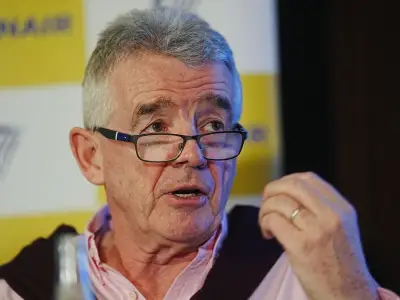
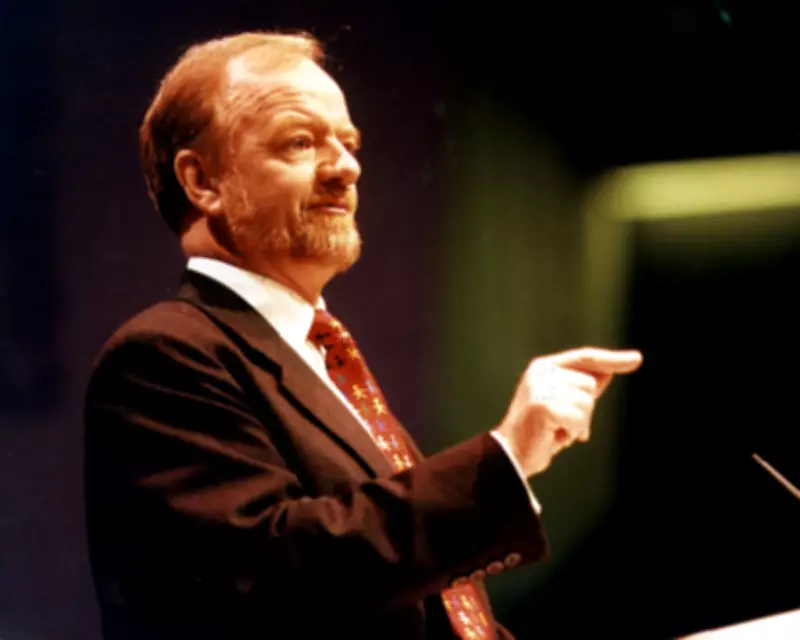
In a significant intervention, Liam Byrne, chair of the business and trade committee, has urged the UK government to adopt a more systematic and transparent approach to trade agreements. This call echoes the ethical foreign policy championed by former foreign secretary Robin Cook in 1997, who famously declared that "our foreign policy must have an ethical dimension." Byrne warns that secretive deals, particularly with nations like China, could pose future national security risks if not subjected to greater scrutiny.
Historical Context and Modern Challenges
The UK has long been a trading nation, with roots stretching back to pre-Roman times when Cornish communities traded tin and copper. However, as global trade routes increasingly shift towards emerging powers such as China and India, the question arises: should Britain continue its traditional deal-making methods or strive for a cleaner, more ethical approach? Recent appointments, like Keir Starmer naming Peter Mandelson as US ambassador and Liz Truss selecting Ian Botham as a trade envoy to Australia, have raised concerns about prioritising deal-making over ethical considerations.
Byrne, a former Treasury minister, emphasises that trade deals involving Chinese companies require enhanced oversight to prevent issues like intrusion, coercion, and espionage from escalating into security threats. He points to China's calculated and amoral dealings as a key reason for vigilance, alongside corruption risks from governments enriched by natural resources without robust democratic institutions.

The Legacy of Robin Cook and Past Failures
Robin Cook's ethical trade vision, introduced shortly after Labour's 1997 election victory, aimed to position Britain as a principled trading nation. In a speech just ten days post-election, he asserted that political values should not be abandoned in diplomatic engagements. Despite this, his policy proved short-lived, overshadowed by expedient deals like the al-Yamamah agreement in the 1980s. This £40 billion deal for Tornado aircraft with Saudi Arabia later revealed illicit commissions, illustrating how ethical ideals can be compromised by backroom negotiations.
Cook was often labelled naive for his mission, but Byrne's approach is more focused and pragmatic, targeting specific vulnerabilities in current trade practices. He argues that the UK must navigate relationships with countries like India, China, South Africa, and Brazil without resorting to opaque agreements that could store up problems for the future.
Current Strategies and Future Directions
In response to these challenges, trade minister Chris Bryant recently appointed new envoys to France, Germany, and Italy to strengthen European ties beyond Brussels. This move follows Bryant's past criticisms of questionable associations, such as Prince Andrew's links to controversial figures. While such efforts may secure marginal trade access, Byrne contends that the more pressing issue is protecting the UK from the allure of cheap imports from China, including electric cars, telecoms equipment, and AI technology, especially as the EU and US impose stricter trade limits.
The Liberal Democrats advocate rejoining the EU as a solution, but this faces significant obstacles, as seen with Switzerland and Norway's experiences as rule-takers. Instead, Byrne proposes a systematic framework for decision-making in trade, moving away from secret deals and laissez-faire attitudes. As Beijing intensifies its seduction of post-Brexit Britain, the need for a robust, ethical trade policy has never been more critical to safeguard national interests and security.