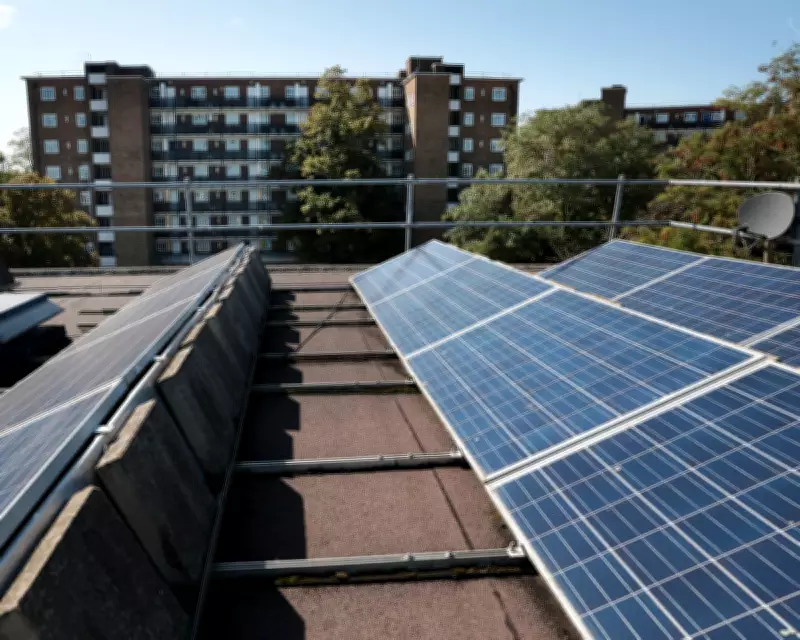
The European Commission is poised to establish ambitious targets for European content across a range of strategic products, including solar panels and electric vehicles, as part of a broader industrial strategy. This initiative, known as the "Made in Europe" plan, aims to prioritize European-made goods in public procurement and consumer schemes, seeking to reduce reliance on foreign imports and bolster local production amid geopolitical uncertainties.
UK Minister Expresses Concerns Over Trade Barriers
Nick Thomas-Symonds, the UK minister for EU relations, has issued a stark warning that this strategy could severely impact supply chains, drive up costs, and create unnecessary trade barriers between the United Kingdom and certain European Union member states. Speaking at an economic event in Madrid, Thomas-Symonds emphasized the risks associated with strict preference requirements.
"My concern is that if you had very strict preference requirements, you would risk impacting our deeply integrated supply chains that would create unnecessary barriers to trade in key UK-EU industries and increase costs," he stated. "That would obviously affect UK-Spain supply chains."

Diplomatic and Economic Context
This intervention comes as Keir Starmer's government has been actively working to improve diplomatic and economic ties with the European Union, which remains Britain's largest trading partner. Following the "reset" deal announced last May, recent weeks have seen signals that the UK may pursue sectoral deals to deepen access to the single market, potentially aligning with EU regulations in additional areas.
However, such moves are likely to face opposition from various political parties, highlighting the complexities of post-Brexit relations. Thomas-Symonds argued that both Britain and the EU face similar challenges in enhancing competitiveness and productivity, and that causing economic damage to each other would be counterproductive.
EU's Strategic Moves and Internal Divisions
EU leaders agreed at a summit in Belgium earlier in February to advance a "Buy European" policy, designed to secure the continent's future amidst geopolitical volatility. The 27 member states are focused on boosting Europe's competitiveness relative to the United States and China, particularly in light of economic uncertainties stemming from tariff agendas and subsidized goods exports.
The draft "Made in Europe" plan includes EU member states and members of the European Economic Area—Iceland, Norway, and Liechtenstein—but notably excludes Britain. The EU has indicated that other "trusted partners" could be added in the future, leaving room for potential negotiations.
Upcoming Legislation and Industry Impact
The European Commission is scheduled to publish its Industrial Accelerator Act later this month, which is expected to set specific targets for European content in strategic products. While the "Buy European" programme has long been championed by France, it has encountered criticism from member states such as Italy and Germany, whose automakers operate global manufacturing networks and fear overly narrow rules.
As the EU moves forward with this strategy, the implications for international trade, supply chain dynamics, and UK-EU economic relations remain a focal point of discussion among policymakers and industry leaders.