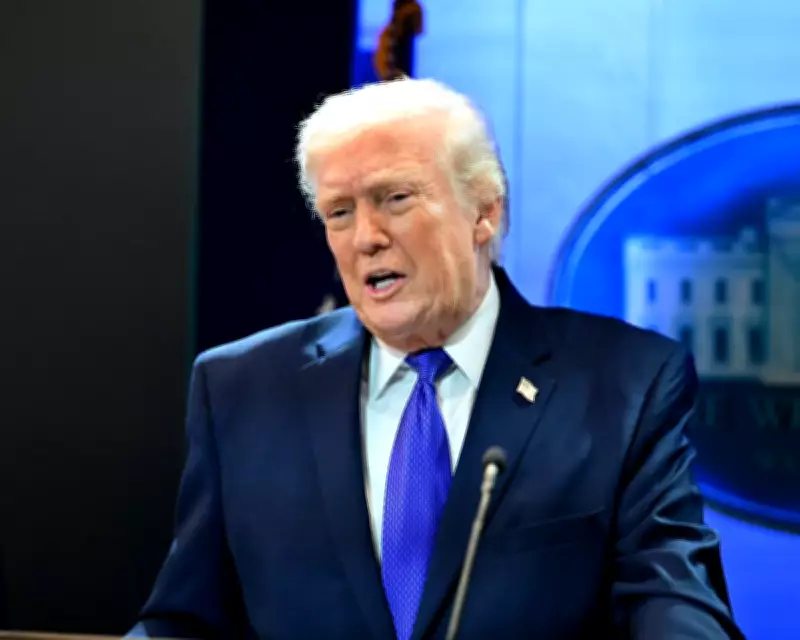
In a dramatic escalation of trade policy, US President Donald Trump has imposed a sweeping 15% tariff on all imports entering the United States. This decisive action comes less than twenty-four hours after the US Supreme Court overturned his initial 10% import tariff, a ruling the president vehemently denounced as "ridiculous, poorly written, and extraordinarily anti-American."
Australia's Firm Response to New US Tariffs
Australia has declared it will "examine all options" in response to the newly announced 15% tariffs. Trade Minister Don Farrell issued a statement affirming Australia's belief in free and fair trade and its consistent advocacy against what it deems "unjustified tariffs." The Australian government is working closely with its embassy in Washington to assess the full implications of this development.
Political Reactions and Economic Concerns
The announcement has drawn sharp criticism from Australian political figures. Shadow Defence Minister James Paterson labeled the move "regrettable and unfortunate," noting it contradicts the spirit of the nations' friendship and their free trade agreement. He expressed hope for an Australian exemption.

Nationals Leader David Littleproud warned that the tariffs would be "damaging to everybody," highlighting their inflationary impact. "Tariffs are inflationary. And guess who pays it? It's the little guy. It's you and I," he stated, pointing to increased costs for consumers on everyday goods and housing.
Timeline and Legal Maneuvering
Following the Supreme Court's decision to strike down the original 10% tariff, President Trump swiftly moved to reinstate the duties using a different legal authority before raising the rate to 15%. The new levies are expected to take effect from 4pm AEDT on Tuesday, February 24, although official White House documentation has yet to be updated.
In a social media post, Trump defended his actions, claiming subjected countries had been "'ripping' the U.S. off for decades." He promised that his administration would determine and issue new, legally permissible tariffs in the coming months as part of his "Making America Great Again" agenda.
Historical Context and Ongoing Disputes
This is not the first trade friction under the Trump administration. In November, tariffs were removed on specific Australian exports like beef, coffee, and bananas after acknowledging domestic supply shortages. However, the Australian government has persistently criticized these tariff measures as "an act of economic self-harm" by the United States.
The situation underscores the volatile nature of international trade relations and sets the stage for potential diplomatic negotiations as Australia seeks to protect its economic interests against these new protectionist measures.