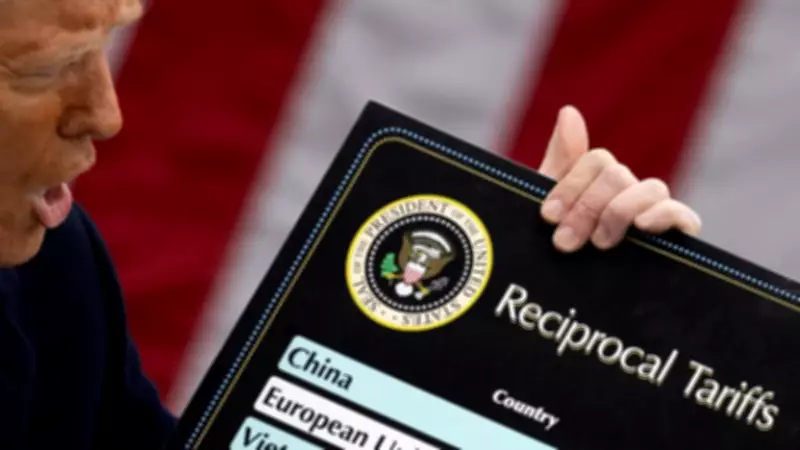
The US Supreme Court has delivered a monumental blow to the Trump administration, declaring that around half of the tariffs imposed under his presidency are now null and void. This landmark decision, announced on Friday, February 20, 2026, could compel the government to refund billions of dollars collected under these levies, according to Sky News Economics and Data Editor Ed Conway.
Constitutional Foundations and Presidential Power
At the core of this ruling lies the US Constitution's principle of separation of powers, which historically reserved tariff-setting authority for Congress, not the president. Over time, exceptions were carved out, allowing presidents to impose emergency tariffs for national security or economic crises. Trump leveraged these loopholes, such as Section 232 of the Trade Expansion Act of 1962 for steel and aluminum tariffs, and the International Emergency Economic Powers Act (IEEPA) of 1977 for the so-called "Liberation Day" tariffs.
The Legal Breakdown and Immediate Fallout
The Supreme Court's decision specifically targets tariffs enacted under IEEPA, which constitute roughly 50% of Trump's tariff portfolio. These were justified by claims of national emergencies related to trade deficits and illegal drug flows, but the judiciary has now rejected that rationale. As a result, the administration faces intense scrutiny over whether it must refund portions or all of the revenue generated from these invalidated tariffs.

While this ruling does not end the trade war, it introduces significant chaos. The White House may attempt to circumvent the decision by exploiting other legal loopholes to reimpose levies, potentially blaming judicial obstruction for political delays. However, with Trump's poll ratings declining partly due to unpopular tariffs, this episode could force a strategic concession that his tariff policies are faltering.
Broader Implications for Trade and Politics
This development underscores the ongoing volatility in US trade policy, with more twists expected in the coming months. The decision highlights the tension between executive authority and constitutional checks, setting a precedent that could influence future presidential actions on tariffs. As the trade war persists, stakeholders are bracing for further legal and economic disruptions.