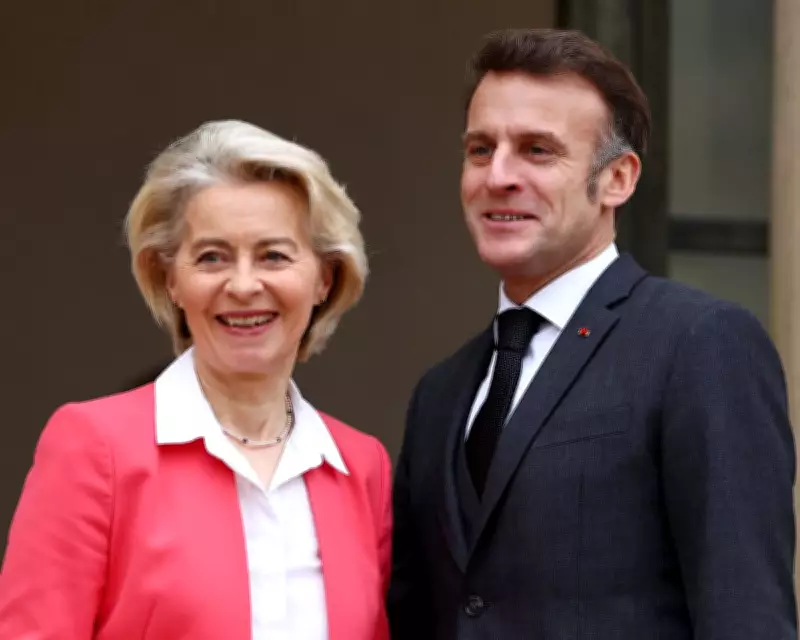
EU Leaders Clash Over 'Buy European' Policy at Brussels Summit
European Union leaders engaged in a contentious debate at the Brussels summit, with sharp disagreements emerging over the proposed 'Buy European' policy. The initiative, aimed at boosting domestic industries by prioritizing EU-made goods in public procurement, has sparked a fierce clash among member states, revealing deep-seated divisions on trade protectionism and economic strategy.
Divisions on Trade Protectionism
The summit, held in Belgium, saw leaders from various EU nations voicing contrasting views on the 'Buy European' proposal. Proponents argue that the policy is essential for strengthening the bloc's economic sovereignty and supporting local businesses in the face of global competition. They emphasize the need to reduce reliance on foreign suppliers, particularly in critical sectors like technology and manufacturing.
However, critics warn that such measures could lead to retaliatory actions from trading partners and undermine the EU's commitment to free trade principles. They point to potential conflicts with international trade agreements and the risk of escalating trade tensions, which might harm the broader European economy.
Key Points of Contention
- Economic Sovereignty: Supporters believe the policy will enhance the EU's self-reliance and protect jobs.
- Trade Risks: Opponents fear it may trigger trade wars and violate global trade rules.
- Implementation Challenges: Debates also centered on how to enforce the policy without disrupting existing supply chains.
The discussions at the summit highlighted the ongoing struggle within the EU to balance protectionist impulses with the benefits of open markets. As leaders continue to negotiate, the outcome of this clash could have significant implications for the bloc's future trade policies and its position in the global economy.