Critical Minerals Shortages Spark Urgent Calls for US-EU-UK Trading Bloc
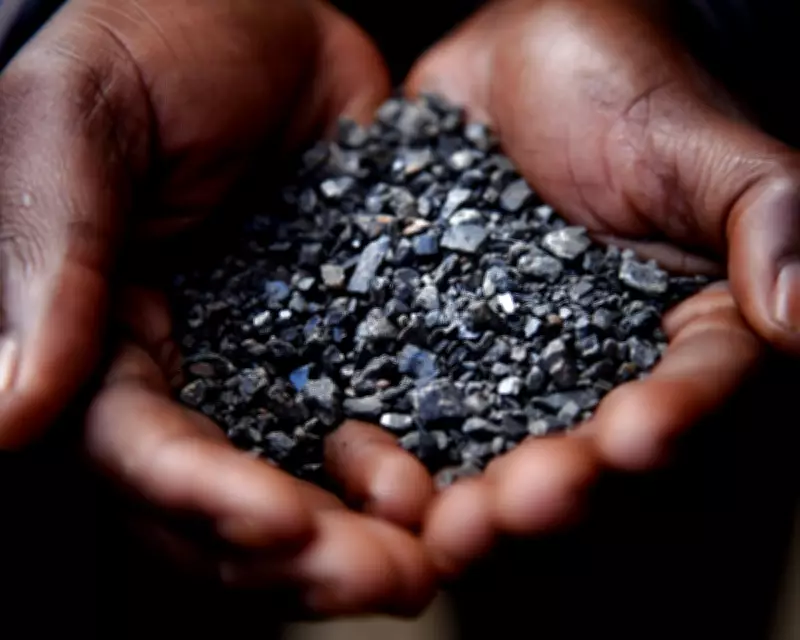
A recent analysis has raised alarms over impending shortages of essential minerals, including lithium and cobalt, which are vital for modern technologies such as electric vehicles and renewable energy systems. The report underscores the urgent need for the United States, European Union, and United Kingdom to establish a strategic trading bloc to secure these resources and reduce dependency on dominant suppliers like China.
Growing Concerns Over Supply Chain Vulnerabilities
The analysis, conducted by experts in global trade and resource management, highlights that the demand for critical minerals is skyrocketing due to the global shift toward green energy and digitalization. However, supply chains remain fragile, with geopolitical tensions and market volatility exacerbating risks. Lithium and cobalt, in particular, are identified as high-risk commodities due to their concentrated production in a few countries, leading to potential bottlenecks that could hinder economic growth and technological advancement.
Key findings from the report include:

- Projected shortages of lithium and cobalt could disrupt the manufacturing of batteries and electronics within the next decade.
- China currently controls a significant portion of the global supply chain for these minerals, posing strategic challenges for Western nations.
- A coordinated trading bloc among the US, EU, and UK could enhance supply security through shared reserves and diversified sourcing.
Proposed Solutions and Strategic Implications
To address these vulnerabilities, the analysis advocates for the formation of a US-EU-UK trading bloc focused on critical minerals. This alliance would involve collaborative efforts to invest in mining projects, develop recycling technologies, and establish fair trade agreements that prioritize sustainability and ethical sourcing. By pooling resources and expertise, the bloc aims to create a more resilient supply chain that can withstand geopolitical shocks and support the transition to a low-carbon economy.
The report emphasizes that without immediate action, shortages could lead to increased costs for consumers and slow down progress on climate goals. It also notes that such a trading bloc could serve as a model for international cooperation, fostering innovation and competition in the global minerals market. Stakeholders, including policymakers and industry leaders, are urged to prioritize this initiative to safeguard future economic stability and environmental sustainability.