China's Lunar New Year Migration: A Massive Movement with Economic Ripples
Every year, China experiences one of the world's largest human migrations as millions of people travel home to celebrate the Lunar New Year. This annual event, also known as the Spring Festival, involves vast numbers of migrant workers, students, and families moving across the country, creating significant economic effects.
The Scale of the Migration
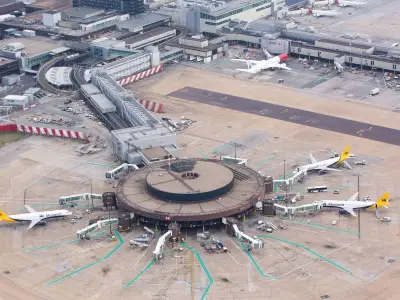
During the Lunar New Year period, which typically spans several weeks around late January to February, hundreds of millions of Chinese citizens embark on journeys to reunite with loved ones. This mass movement strains transportation systems, with airports, railways, and highways operating at peak capacity. The migration is driven by cultural traditions that emphasize family gatherings and ancestral worship during this festive time.
Economic Impact on Spending and Workforce
The Lunar New Year migration has a profound impact on China's economy. On one hand, it boosts consumer spending as people purchase gifts, food, and decorations for the celebrations. Retail sales often surge, benefiting sectors like hospitality, tourism, and retail. However, the migration also leads to temporary workforce shortages in urban centers, as many migrant workers return to their hometowns, slowing down industrial and service activities in cities.

This dual effect highlights the complex relationship between cultural practices and economic dynamics in China. While the festival stimulates short-term economic growth through increased consumption, it can disrupt productivity in key urban areas, posing challenges for businesses that rely on migrant labor.
Cultural Significance and Modern Challenges
The Lunar New Year is deeply rooted in Chinese culture, symbolizing renewal, family unity, and good fortune. The migration reflects these values, as people prioritize returning home despite the logistical hurdles. In recent years, factors such as urbanization, changing work patterns, and economic pressures have influenced migration trends, with some opting for shorter trips or digital celebrations.
Nevertheless, the tradition remains a cornerstone of Chinese society, showcasing the resilience of cultural heritage in a rapidly modernizing economy. As China continues to evolve, the Lunar New Year migration serves as a reminder of the enduring importance of family and tradition amidst economic progress.