The long-awaited revival of London's market for new stock market listings failed to materialise in 2025, with a cohort of fresh entrants delivering glum returns for investors. Despite concerted pushes from the government and financial regulators, the year's initial public offerings (IPOs) largely disappointed, underperforming the wider market significantly.
A Patchy Year for New Listings
Analysis reveals that the average return for companies launching on the London stock market in 2025 was -3.3 per cent, calculated by comparing their debut prices with their year-end closing values. This marked a dramatic reversal from the stellar average gain of 35.7 per cent recorded by the 2024 cohort, even though the number of IPOs increased to 20 from 14.
Dan Coatsworth, head of markets at investment platform AJ Bell, described it as a "patchy year" for the UK IPO scene. He noted that the performance of new firms went "against the grain for what was a superb year for UK stocks more generally." Indeed, the FTSE 100 blue-chip index delivered a robust 22 per cent return over the same period, highlighting a stark divergence.
Winners and Losers on the London Market
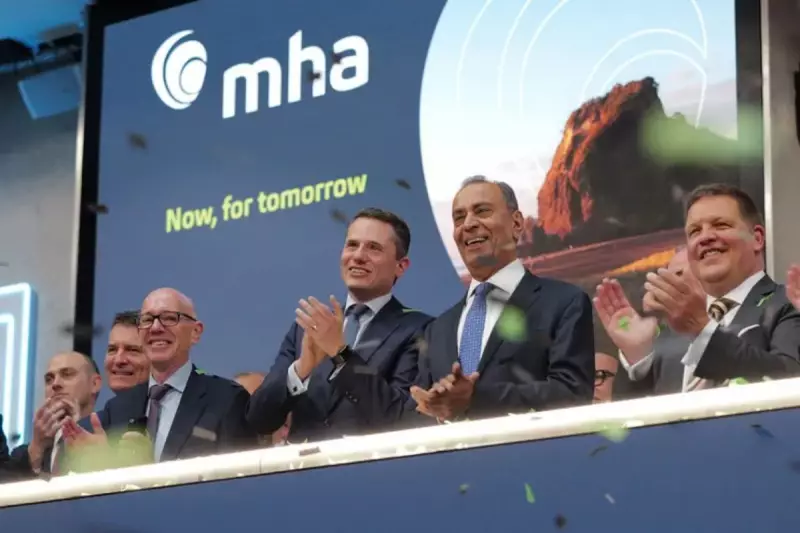
The performance of individual listings was a mixed bag. The standout success was accountancy firm MHA, the UK arm of Baker Tilly International. Its £271m IPO on the AIM market in April, which raised £98m, ultimately netted investors a 54 per cent gain by year-end, buoyed by positive trading updates.
Another winner was specialist lender Shawbrook Bank, which staged the largest IPO of the year in October, raising £348m. Returning to public markets after being taken private in 2017, its shares gained 30 per cent from the offer price, riding a wider rally in banking stocks.
However, the picture was bleak for others. Australian health firm Wellnex Life, which floated in March, saw its share price collapse by 81 per cent after a series of senior executive departures, including both its co-chief executives and its chair.
Macroeconomic Headwinds and Future Hopes
Coatsworth attributed the subdued activity to a cocktail of economic challenges. "Uncertainty around tariffs and politics at home and abroad, mixed consumer and business sentiment, and lacklustre economic growth were the prime ingredients to dampen the appeal of undertaking an IPO," he said, adding that many companies remained "nervous about taking the plunge."
Hope for a turnaround in 2026 now rests on several factors. Chancellor Rachel Reeves' second Budget introduced a stamp duty holiday for new listings, a measure designed to galvanise the market. This, coupled with easing interest rates and inflation, could improve sentiment.
Several high-profile names are rumoured to be considering London floats in the coming year, including book chain Waterstones. However, some voices express caution. Greg Jackson, chief of Octopus Energy, said he would "love" for its tech arm Kraken to list in London but stated the London Stock Exchange needs to be 'banging the drum' and showing more "hustle" to attract capital.
Despite Treasury initiatives to boost fintech listings, the market still faces competition from the US, with neobank Starling eyeing a New York listing and Klarna having already snubbed London for Wall Street in 2025. The future health of London's IPO market hinges on its ability to convert policy support into tangible, rewarding opportunities for companies and investors alike.