Global oil prices fell in early trading on Monday as financial markets began to digest the potential consequences of the United States' dramatic political intervention in Venezuela.
Market Reaction to Geopolitical Shift
The price of Brent crude dropped by 0.7% to $60.33 a barrel, while West Texas Intermediate crude declined by 0.54% to $56.01. This movement followed a pledge from US President Donald Trump to unlock Venezuela's enormous crude oil reserves, which are estimated to hold about 17% of the world's total.
Investors are concerned that a successful US-led effort to revive Venezuela's crippled energy sector could deepen an existing global supply glut. President Trump has asserted that American oil companies are prepared to spend billions of dollars to repair the nation's badly broken oil infrastructure.
Industry Figures Prepare for Investment
While none of the major US oil giants have publicly commented on the president's claims, a significant figure is already mobilising funds. Ali Moshiri, the former head of Chevron's Latin American operations, told the Financial Times he is seeking to raise $2bn (£1.5bn) for investment in Venezuelan oil projects.
"We have been anticipating this breakthrough for a while and our $2bn private placement memorandum is ready to go with several investment targets identified," Moshiri stated. His fund, Amos Global Energy Management, has reportedly pinpointed specific assets in the country.
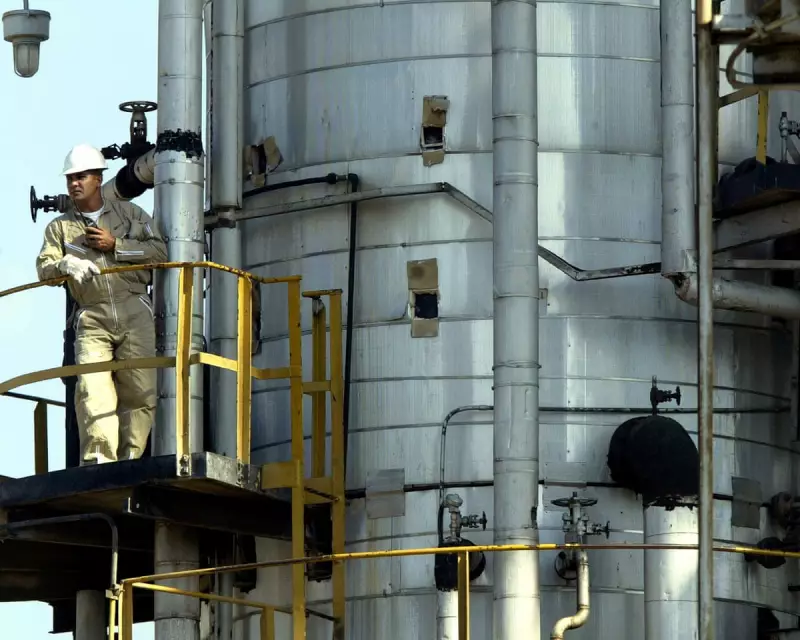
However, analysts caution that resurrecting Venezuela's oil industry is a monumental task. The nation's output has collapsed to around 1 million barrels per day, a stark contrast to its 1998 peak of nearly 3.5 million barrels. Years of underinvestment, US sanctions, and infrastructure decay present severe challenges.
Long Road to Recovery and Wider Market Impact
Kathleen Brooks, research director at XTB, suggested the oil price dip might be "short lived" as the market weighs the lengthy timeline for any significant production increase. "Optimising resource-rich Venezuela to generate the income needed to turn the country around could take until 2030 and beyond," she explained, citing the need for new wells, refinery upgrades, and extensive infrastructure work.
Elsewhere, the OPEC+ alliance, which includes Russia and Saudi Arabia, signalled no immediate change in strategy following the weekend's events. The group agreed to maintain its pause on production increases at least until April.
The geopolitical uncertainty triggered a flight to traditional safe-haven assets. The price of gold rose by 2% to $4,413.93, while silver gained as much as 3.5%. Bitcoin also saw a modest increase, ticking up 1.1% to $92,504. In a contrasting trend, Asian equity markets enjoyed a buoyant session, posting their strongest annual start in over a decade.