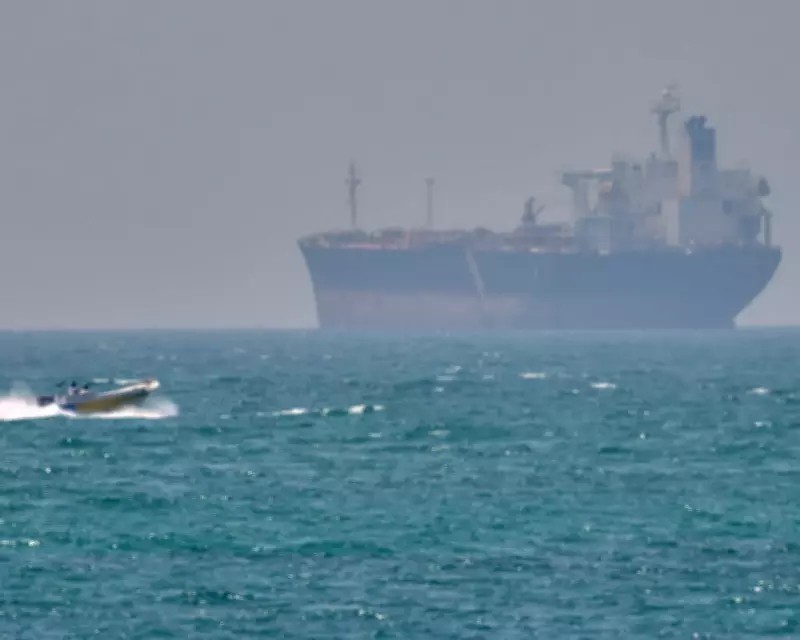
European stock markets have experienced a significant downturn at the opening of trading, as the brief optimism sparked by last Friday's Middle East peace discussions has rapidly dissipated. This shift in sentiment has left investors grappling with renewed uncertainty, particularly surrounding developments in the strategically vital Strait of Hormuz.
Market Performance Across Europe
In London, the FTSE 100 index has fallen by 42 points, representing a decline of 0.4%, bringing it down to 10,626 points. This retreat moves the index away from the six-week high it achieved at the close of the previous trading week. Meanwhile, Germany's DAX has registered a more pronounced drop of 1.3%, and Italy's FTSE Mib has decreased by 1.1%, indicating a broad-based sell-off across the continent's major financial centers.
Analyst Insights on the Hormuz Situation
Chris Beauchamp, chief market analyst at the investing and trading platform IG, has characterized the current market environment as one of chaos centered on the Strait of Hormuz. He notes that the initial euphoria from Friday has been replaced by widespread confusion regarding the status of the critical waterway. While Iran has officially declared the strait closed, financial markets appear to be maintaining a cautiously optimistic outlook, as has been typical throughout this prolonged crisis.
Beauchamp further elaborates that U.S. futures are trading lower, and European markets were anticipated to open in negative territory. However, he points out that a substantial portion of the recent gains remains intact. Additionally, oil futures have not retreated to the levels seen early last Friday, suggesting some resilience in commodity markets.
Uncertain Path Forward and Energy Concerns
The analyst emphasizes that the potential commencement of diplomatic talks could help bolster risk appetite among investors. Nevertheless, he cautions that the initiation of such negotiations is far from guaranteed at this juncture. A clear resolution to the escalating crisis remains elusive, with the broader energy crisis continuing to intensify daily, adding another layer of complexity to an already volatile market landscape.