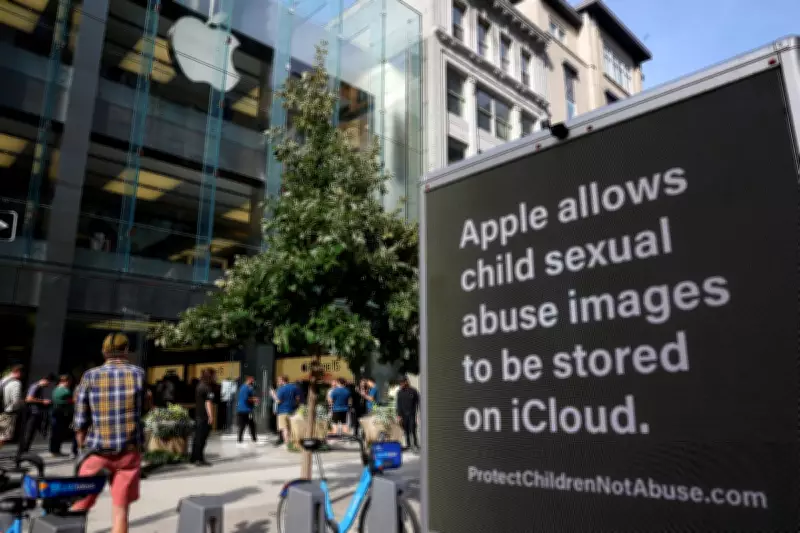
West Virginia Lawsuit Targets Apple Over Child Safety Technology
A significant legal case has emerged in West Virginia, where Apple Inc. is facing allegations related to its handling of child sexual abuse material (CSAM) on its devices. The lawsuit, filed in state court, claims that Apple's technology failed to adequately detect and prevent the distribution of such harmful content through its platforms. This development places a spotlight on the broader responsibilities of major technology companies in combating online exploitation and protecting vulnerable users, particularly children.
Allegations and Legal Framework
The complaint asserts that Apple did not implement sufficient safeguards or monitoring systems to identify CSAM, despite having advanced hardware and software capabilities. According to the plaintiffs, this negligence allowed illegal material to circulate, potentially endangering minors. The case draws on existing laws concerning child protection and corporate accountability, arguing that tech giants like Apple have a duty to leverage their resources for public safety. Legal experts note that this lawsuit could set a precedent for how similar issues are addressed in the digital age, influencing future regulations and industry standards.
Implications for Technology and Society
This incident raises critical questions about the balance between user privacy and safety in technology design. Apple has previously emphasized privacy features, such as end-to-end encryption, which can complicate content moderation efforts. However, critics argue that companies must find ways to uphold both privacy and protection, especially when it involves preventing serious crimes like child exploitation. The West Virginia case highlights the ongoing debate over whether tech firms should be legally required to scan for illegal content, a topic that has gained traction amid increasing concerns about online harms.
In response, Apple has stated its commitment to child safety, pointing to initiatives like its CSAM detection system announced in 2021, which aims to scan iCloud photos for known abuse imagery. Nonetheless, the lawsuit suggests that these measures may not be fully effective or universally implemented, prompting calls for more robust solutions. As the legal proceedings unfold, stakeholders from advocacy groups to policymakers are watching closely, as the outcome could drive changes in how technology companies approach content moderation and ethical responsibilities.
Broader Context and Future Outlook
The West Virginia lawsuit is part of a larger trend of legal actions against tech companies over content moderation failures. Similar cases have targeted other platforms for issues like hate speech and misinformation, but the focus on child safety adds a particularly urgent dimension. This case underscores the need for continuous innovation in safety technologies, as well as clearer legal frameworks to hold companies accountable. Moving forward, it may encourage more stringent oversight and collaboration between tech firms, law enforcement, and child protection organizations to enhance online safety measures.
Ultimately, the West Virginia Apple case serves as a reminder of the complex challenges at the intersection of technology, law, and ethics. As society grapples with the digital landscape's risks, this lawsuit could catalyze important discussions and reforms aimed at better protecting children and ensuring that technology serves as a force for good, rather than a tool for harm.