
The Unexpected Zen of Virtual Chores
When I was at university, I had a friend with a peculiar hobby. He would spend hours in his room playing a hunting simulation game on his computer. The term "game" felt misleading for this activity. Players would crouch in digital undergrowth, waiting endlessly for a deer to appear in their gun sights. The experience was so monotonous that the game included an inbuilt noughts and crosses function to keep users entertained during the wait. My friends and I found this hilarious at the time. Why engage with something so dull that it requires another game within it?
The Booming Simulator Game Market
Since those days, simulator games have exploded in popularity to an astonishing degree. The global simulation games market was valued at an estimated $4.86 billion in 2020, with projections suggesting it could reach about $21 billion by 2030. This growth isn't limited to vibrant titles like The Sims or Stardew Valley, which offer clear objectives and varied activities. Instead, it includes games with deliberately mundane premises.
From Farming Simulator and Euro Truck Simulator, where you drive heavy goods vehicles across Europe, to flight simulators that replicate commercial aviation in real time, these experiences thrive on simplicity. As a writer of narrative point-and-click video games myself, I've observed this trend with both interest and confusion. What drives millions to embrace such seemingly boring virtual tasks?
My Week with PowerWash Simulator
To understand the appeal, I decided to immerse myself in PowerWash Simulator. The choice was personal. Years ago, during a period of acute heartbreak, my mother suggested I power-wash her patio instead of crying in the kitchen. I took her advice and found the activity oddly satisfying, despite the emotional turmoil. The patio became clean, and for a moment, something in my life wasn't falling apart.
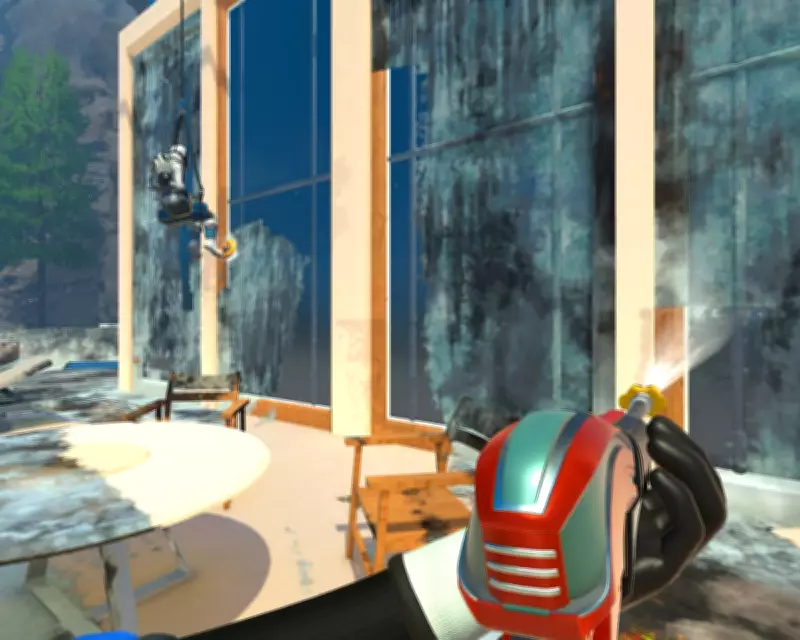
In the game, you assume the role of a power-washing company owner. Your first task is cleaning your company van, purchased cheaply at auction because it's filthy. Notifications pop up for achievements like "indicator clean" and "hubcap clean," while a percentage dial tracks your progress. You can select nozzles and enter commando crawl mode to access difficult corners. Tantalising hints about future jobs, like a large dirty house, keep you engaged.
Over two hours, with the TV murmuring in the background, I restored a neglected playground to its former glory. The experience felt akin to a colouring book, designed for type-A personalities—a category I unfortunately include myself in.
The Surprising Satisfaction of Low-Stakes Tasks
I must admit, I became absorbed. There's a peculiar satisfaction in completing pointless tasks, and a calming effect in engaging with something where the stakes are virtually nonexistent. I can see the appeal, though part of me wishes I couldn't. I long to be someone immune to the pull of achieving 100% completion on a digital dirt bike-cleaning project.
Yet, ironically, the experience left me feeling somewhat grubby. Would I recommend PowerWash Simulator to anyone? Probably not. If someone asked me if I'd tried it, I'd likely feel compelled to check on their wellbeing. I believe there are more adjusted ways to soothe oneself, no matter how absorbing a simulator game might be. Spending time in nature, taking a bath, or playing a game that doesn't make you feel thrilled about unlocking multipurpose cleaning fluid seem healthier alternatives.
Finding Beauty in the Mundane
Curious about my university friend's perspective, I revisited our conversation. He explained, "There's something very appealing about a world realised in micro detail. There is beauty in the mundane, in the hyper-realised world of simply waiting for something to happen, rather than it constantly happening. It encourages a paying of attention." His insight annoyed me because it was both smart and true, leaving little room for mockery.
Perhaps that's the core of it. There's a unique satisfaction in paying close attention to something, and it's beneficial to be encouraged to focus. However, we must be mindful of what we choose to devote our attention to. In a world filled with constant stimulation, simulator games offer a paradoxical escape into simplicity, reminding us that sometimes, the most mundane tasks can teach us about patience, mindfulness, and the quiet joys of completion.




