
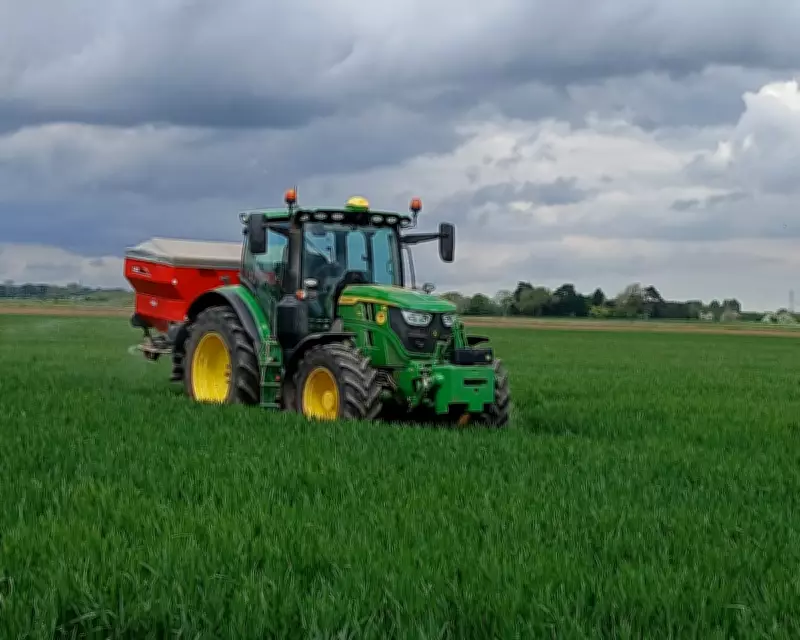
The sun had barely crept over the horizon when I heard the dreaded sound — a metallic groan followed by a sickening silence. My tractor, the workhorse of our small farm, had broken down. And not just any breakdown, but one occurring at the absolute worst possible time: the height of the harvest season.
The Unfolding Crisis
It was a crisp morning in early May, and the fields were ready. The barley stood golden and heavy, the wheat swayed in the breeze, and every day of delay meant potential loss. But there I was, staring at a lifeless machine, its engine cold, its wheels still. The timing could not have been more cruel.
I had been up since 5 a.m., checking the weather forecast, which promised three days of dry weather — a precious window we could not afford to waste. The previous week had been wet, and the ground was just firm enough to support the heavy combine. Now, with the tractor out of action, the entire operation ground to a halt.
Why This Breakdown Hurt So Much
Modern farming is a delicate dance with nature and machinery. We rely on a chain of equipment, each link essential. The tractor is not just a vehicle; it is the heart of the farm. It powers the baler, the trailer, the mower. Without it, we are reduced to manual labor, which is simply not feasible for a farm of our size.
The breakdown occurred in the transmission, a complex and expensive part. The mechanic, when he finally arrived after a two-hour wait, shook his head. "This will take at least a week to fix," he said, "and the part needs to be ordered from the mainland." A week. In harvest time, a week is an eternity.
The Ripple Effect
The consequences of a tractor breakdown extend far beyond the immediate inconvenience. The barley, now overripe, began to shed its grain. The wheat, if left standing too long, would be vulnerable to pests and disease. The financial loss was already mounting — not just in potential yield, but in the cost of the repair, the lost time, and the stress.
I thought of my grandfather, who farmed this land with horses and his bare hands. He would have laughed at my predicament, but he also would have understood the frustration. Farming has always been a battle against time and elements, but today, we are more dependent on machines than ever. When they fail, we fail.
Seeking Alternatives
Desperate, I called neighboring farmers. One had a spare tractor, but it was smaller and not powerful enough for the heavy work. Another offered to help, but only after his own harvest was done — in two weeks. The cooperative spirit of rural communities is strong, but everyone is stretched thin during harvest.
In the end, I rented a tractor from the nearest town, a 30-year-old model that smelled of diesel and sweat. It was not ideal, but it was something. The rental cost was exorbitant, but the alternative — losing the harvest — was unthinkable.
Lessons Learned
This experience has taught me the importance of redundancy and preparation. From now on, I will keep a closer eye on maintenance schedules and perhaps invest in a backup tractor, even if it means tightening the budget elsewhere. But for now, I am grateful for the help I received and determined to get through this season.
As the sun sets on another long day, I sit in the cab of the rented tractor, the familiar hum of the engine a comfort. The harvest will be saved, but the memory of this terrible timing will linger. In farming, as in life, the worst breakdowns always seem to happen at the worst possible time.




