Novo Nordisk's CagriSema Weight-Loss Drug Fails to Meet Expectations in Clinical Trials
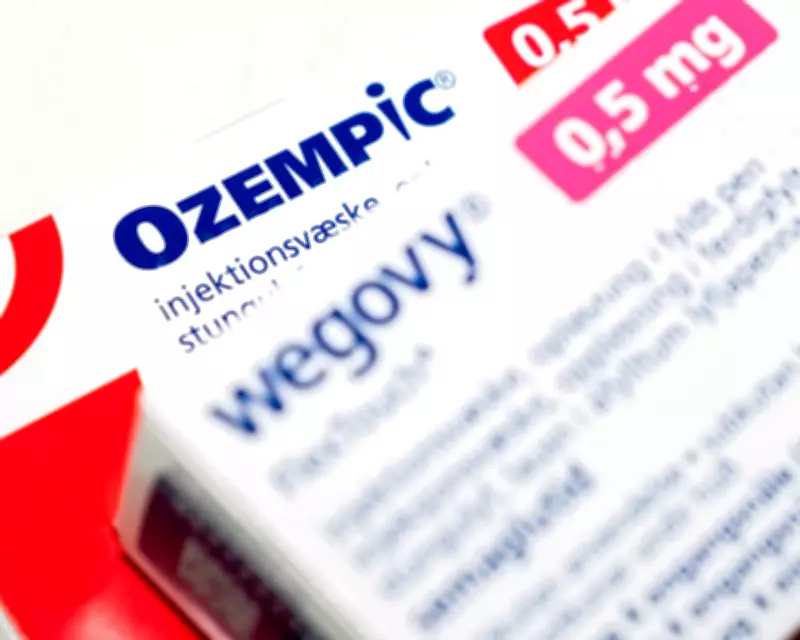
Novo Nordisk, the Danish pharmaceutical giant behind popular weight-loss treatments Wegovy and Ozempic, has faced a significant setback as its highly anticipated new drug, CagriSema, was branded "obsolete" following disappointing clinical trial results. The company's shares fell sharply on Monday after the data failed to meet investor expectations, dealing a blow to its efforts to compete with rival Eli Lilly's leading anti-obesity medication, Zepbound.
Clinical Trial Results and Market Reaction
The late-stage study involved 809 participants and was designed to demonstrate that CagriSema is at least as effective as Eli Lilly's tirzepatide, the active ingredient in Zepbound. However, the results fell short, with CagriSema achieving an average weight loss of 23% after 84 weeks among those who adhered to treatment, compared to 25.5% for tirzepatide. This missed the primary endpoint of showing non-inferiority to tirzepatide.
Novo Nordisk's share price plunged by 16% on the news, extending its losses over the past year to nearly 60%. In contrast, Eli Lilly's stock rose by more than 3% in pre-market trading. Analysts expressed surprise and disappointment, with Søren Løntoft Hansen of AL Sydbank calling it a "swing and a miss," and UBS analysts noting the result as "significant negative" and "very unexpected."
Analyst Criticism and Company Response
Emmanuel Papadakis at Deutsche Bank commented on an investor call, stating that CagriSema appears "somewhat obsolete now as a competitive upgrade of semaglutide or as a competitive alternative to tirzepatide." Novo Nordisk's chief executive, Mike Doustdar, rejected this characterization, defending the drug as "fantastic" and highlighting its potential as the first amylin-based product on the market with the best weight loss label when launched early next year.
The weekly injection combines an amylin analogue with GLP-1 to regulate metabolism, suppress appetite, and promote feelings of fullness. It was expected to outperform Novo's existing GLP-1 jabs, Wegovy and Ozempic, in weight loss efficacy. Despite the setback, Novo Nordisk remains hopeful, with plans to test a higher dose of CagriSema and awaiting approval from the US drug regulator based on earlier trial evidence.
Broader Implications for Novo Nordisk
This development marks a challenging period for Novo Nordisk, which has seen booming sales of weight-loss and diabetes drugs but has repeatedly cut profit and sales estimates as it loses ground to Eli Lilly. The company had been banking on CagriSema and a new Wegovy pill to revive its market position. UBS analysts had already lowered their peak sales forecast for Novo's GLP-1 drugs from $80 billion to $75 billion by 2032 following previous disappointing trial results for CagriSema.
As the pharmaceutical industry intensifies its race in the weight-loss sector, with a shift from injections to pills expanding opportunities, Novo Nordisk's struggles highlight the competitive pressures and high stakes involved. The outcome of future trials and regulatory approvals will be crucial in determining whether CagriSema can regain momentum and challenge rivals in the lucrative anti-obesity market.