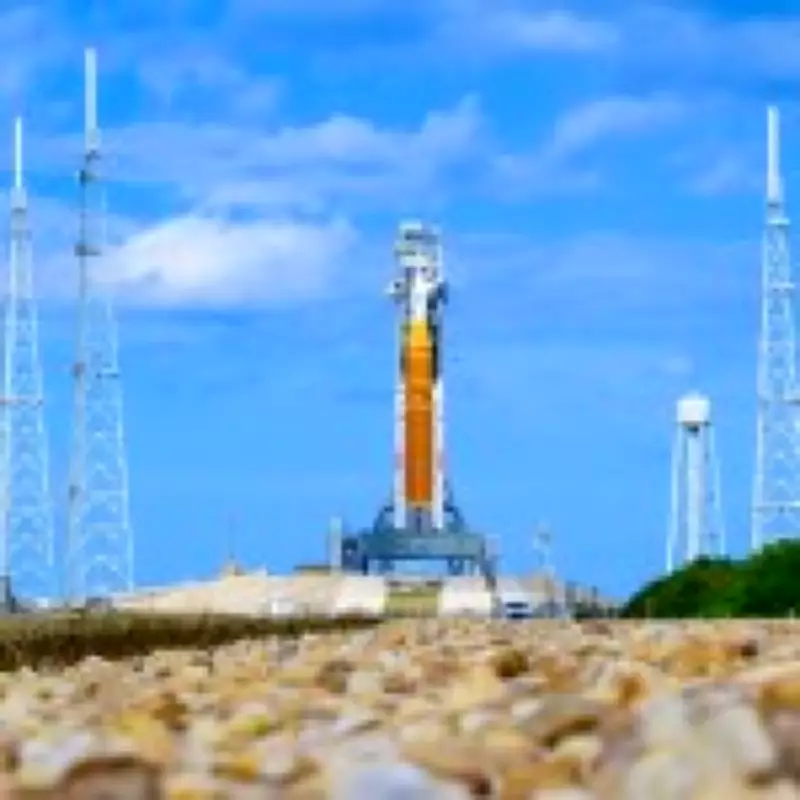
NASA Postpones Historic Moon Mission Launch Following Technical Setback
Humanity's highly anticipated return to the moon has encountered another significant delay, as NASA announced this morning that the Artemis II mission launch will be postponed until at least March 2026. This marks the latest setback in the ambitious programme designed to land astronauts on the lunar surface for the first time in over half a century.
Fuel Leak During Critical Test Halts Countdown
The American space agency revealed that a concerning fuel leak occurred during a crucial trial run known as a wet dress rehearsal. Engineers were conducting terminal countdown operations when the procedure was abruptly halted with just five minutes remaining. This stoppage was triggered by a sudden spike in the liquid hydrogen leak rate, raising immediate safety concerns.
In an official statement posted on social media platform X, NASA confirmed: 'To allow teams to review data and conduct a second wet dress rehearsal, NASA will now target March as the earliest possible launch opportunity for the Artemis II mission.' The agency emphasised that crew safety remains their absolute highest priority throughout all mission preparations.
Testing Procedures and Previous Delays
During yesterday's comprehensive testing phase, engineers successfully filled the rocket's propellant tanks with both liquid hydrogen and liquid oxygen. These wet dress rehearsals are designed to simulate actual launch conditions while identifying potential technical issues that could emerge during the real event. The meticulous process allows ground teams to address any anomalies before committing to a final launch sequence.
This latest delay follows an earlier postponement from the original target date of February 6th, which was pushed back by two days due to unfavourable weather conditions preventing the initial fuelling test. The cumulative setbacks have now extended the timeline significantly, with March emerging as the new earliest possible launch window.
Historical Context and Mission Significance
The Artemis II mission represents what would be humanity's first crewed journey to the moon since the Apollo 17 mission concluded in December 1972. After fifty-three years of anticipation, this programme aims to reestablish human presence on our celestial neighbour while paving the way for future lunar exploration and potential Mars missions.
NASA's careful approach underscores the complex challenges inherent in space exploration, where technical precision and crew safety must balance against ambitious timelines. The agency's transparent communication about these delays reflects their commitment to thorough preparation before undertaking such historic voyages.