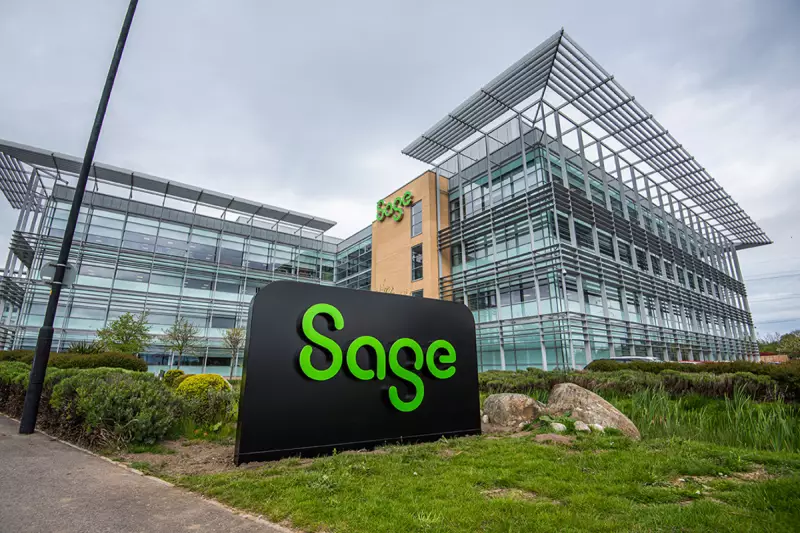
As we move through 2026, the conversation around artificial intelligence is shifting from awe-inspiring demos to a more grounded demand for practical utility. According to Steve Hare, the CEO of business software giant Sage, the true test for AI this year is not its raw power, but whether people can trust it, understand it, and use it confidently in the moments that truly matter to their work and lives.
From Hype to Reality: Solving Real Pain Points
Hare points to a recent conversation with a small business owner as emblematic of the current moment. She had heard AI could assist with her accounts but was unsure how. Her reality was spending precious evenings and weekends trapped in invoices and spreadsheets, time she desperately wanted back to focus on growth. This story, Hare says, captures the essence of AI's challenge in 2026. People aren't seeking abstract intelligence; they want fewer late nights, reduced errors, and certainty in their financial numbers.
Throughout the past year, dozens of similar discussions with entrepreneurs have reinforced this view. Business owners are not debating multimodal models or hallucination rates. Their pressing concerns are cash flow, payroll, sales growth, late payments, and compliance. If AI is to matter to these people, it must solve these specific problems reliably and predictably, without adding new complexity or risk. The focus must be on real solutions for real people, not impressive demonstrations that fail under day-to-day pressure.
Trust is Earned, Not Trained: The Backlash Against AI Theatre
Hare warns that the industry is seeing a rise in "AI theatre"—characterised by big promises and confident demos that don't withstand the scrutiny of real data, workflows, and accountability. Over-promising might generate headlines, but when tools fail, people lose time, confidence, and trust. In critical areas like finance and payroll, that loss of trust is exceptionally hard to win back.
For 2026, the pivotal question is not about a model's intelligence quotient, but whether AI can consistently deliver dependable outcomes, week after week. The goal is to put tools in entrepreneurs' hands that save them hours, reduce errors, and provide confidence in results. Put simply, it's not "How advanced is the model?" but "How did this make someone's job easier, quicker, better?" or even "Did this help someone get home on time?"
What Business Leaders Should Watch in 2026
Hare outlines two key trends for the year ahead. First, AI hype and theatre will backfire. Announcing bold plans that never materialise or launching clever-looking tools that don't fit real workflows damages credibility and creates hidden costs like wasted time and growing scepticism.
Second, general-purpose AI will increasingly fall behind more focused solutions. Most businesses don't need an AI that can do everything. They need one that does a small number of important things extremely well and consistently. The successful AI will be bespoke, tailored to specific workflows, trusted with sensitive data, and will sit quietly inside everyday systems, proving its value through tangible results.
Adoption, Hare concludes, is a journey built on confidence, not a single moment. Businesses embrace change when the new way delivers clear results, errors decrease, and people feel skilled and in control. Trust isn't trained into existence; it's earned through consistent, predictable performance in the everyday realities of running a business.