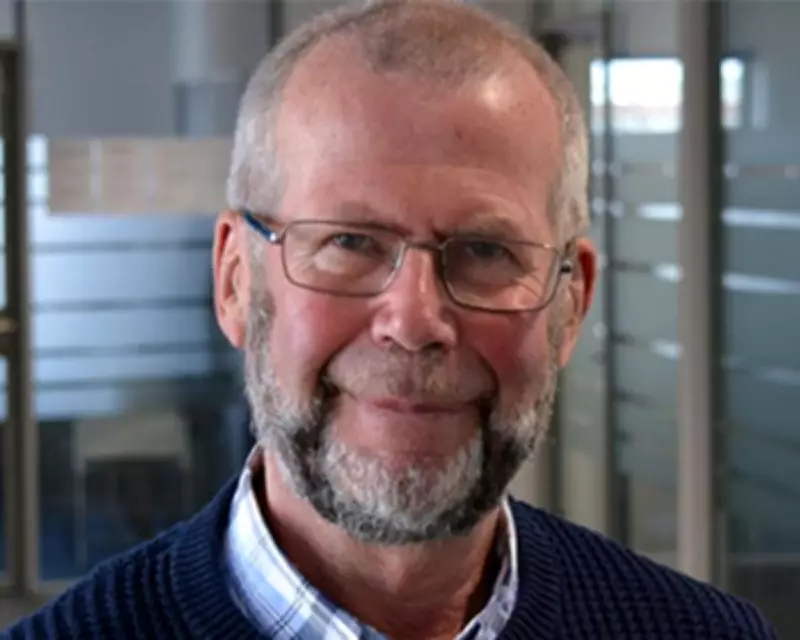
Paul Mosley, a scholar of development economics and a leading advocate for making foreign aid more effective, has died aged 79. Alongside his academic roles, he worked for the UK Overseas Development Administration and as an adviser to United Nations agencies.
Academic Career
From 1971, Mosley held positions in economics and development studies at universities including Strathclyde, Bath, Manchester and Reading. His last post was as professor of economics at Sheffield University, from where he retired in 2020. Behind all of his life and work was an energetic desire to “make the world a better place”.
Early Research and Policy Work
His first research focused on African economic history, the subject of his PhD, later published as The Settler Economies (1983). Witnessing low living standards in rural Kenya and Zimbabwe during his research led him to concentrate on policy. In the 1980s he played a key role at the thinktank Independent Group on British Aid (IGBA), and from 1992 to 1998 worked as a trustee for the charity ActionAid.
Notable Publications
Among his best-known publications were Foreign Aid: Its Defense and Reform (1987); Aid and Power (1995) with John Toye and Jane Harrigan, which provided original analysis of World Bank and IMF policy; and Finance Against Poverty (1996) with David Hulme. In the latter part of his career, he broadened his approach, contrasting poverty reduction in high-income and low-income countries, and co-wrote a biography of Sir Arthur Lewis (2012) with Barbara Ingham.
Personal Life
Born in London, Paul was one of four children of Eric Mosley, an economist and later director of industrial relations at the National Coal Board, and Moira (nee Brown). The family moved to Paris and then Nottingham, where he attended Nottingham High School. He studied economics at Gonville and Caius College, Cambridge, graduating in 1968, and completed his PhD at Cambridge in 1980 (his master’s was at Essex University).
In 1986 he married Helena Dwornik, an artist. He was a devoted father to their children, Francesca and Nick, and an enthusiastic grandfather. He adored mountains and was a keen outdoorsman; at Manchester he chose to live in a cottage below Kinder Scout, a mere “hill” compared to the uplands of his beloved Skye, which he visited regularly for more than 30 years. Paul was a talented linguist, with Italian his favourite among seven languages, and an accomplished clarinet player.
He is survived by Helena, his children, four grandchildren (Aria, Rory, Leo and Rafa), and his brother Francis and sister Kate.