New Jersey Hindu Temple Workers Allege Abuse, Silicosis Deaths in Civil Case
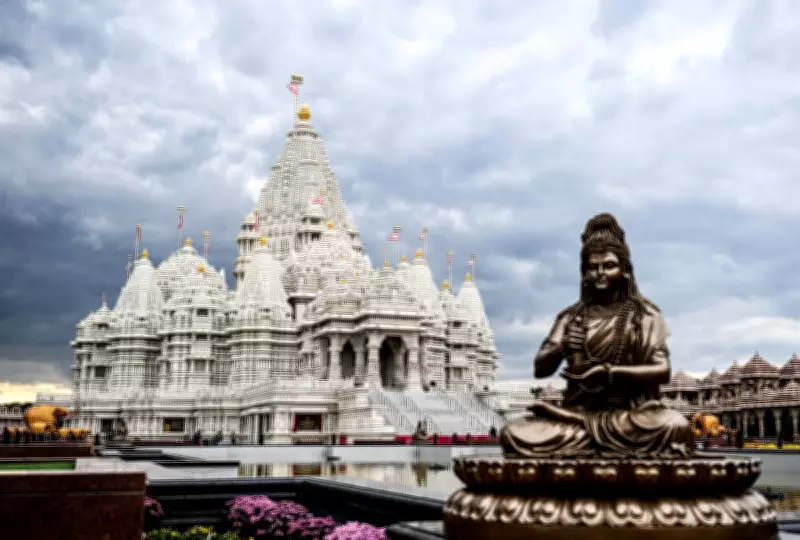
In Robbinsville, New Jersey, the BAPS Swaminarayan Akshardham temple stands as the largest modern Hindu mandir outside India, celebrated for its intricate hand-carved stonework across a vast 185-acre complex. However, beneath its architectural splendor, a grim narrative unfolds involving allegations of worker exploitation, visa fraud, and medical neglect during its construction from 2015 to 2023.
Allegations of Worker Exploitation and Health Hazards
According to court documents and labor advocates, at least two workers, Ramesh Meena and Devi Lal, died from silicosis, an irreversible lung disease caused by inhaling silica dust from stone carving. Lal succumbed while awaiting a lung transplant. Other workers report diagnoses of tuberculosis and chronic bronchitis, with symptoms including shortness of breath, persistent cough, and chest pain. Many spoke anonymously, fearing retaliation.
"A person would prefer committing suicide rather than dying from silicosis because it's such a painful death," said a former temple worker who developed tuberculosis. "The breathing problem is so bad that you really pray for the person to die, so that he can be at peace."
Working Conditions and Caste-Based Discrimination
Approximately 200 Dalit workers, from India's lowest caste, were brought from Rajasthan to New Jersey. They allege working up to 90 hours weekly for as low as $1.20 per hour, with passports confiscated and limited family contact. "I saw my kids growing up on the phone," one worker shared, noting he hadn't seen his family for seven years. His roommate died by suicide after returning to India, with family attributing it to depression and harsh working conditions.
Workers claim inadequate personal protective equipment, such as surgical or cloth masks instead of required N95 respirators, and being forced to labor in snow without days off. Medical care was reportedly restricted to a small on-site clinic, with language barriers hindering external treatment.
Temple's Response and Legal Context
BAPS denies the allegations, citing a ministerial exception under the First Amendment to avoid court interference in religious employment. Spokesperson Darshan Patel stated workers received government-inspected housing, meals, flights, medical care, and safety gear, framing the work as spiritual Seva (selfless giving). "The construction of the mandir was an opportunity to contribute to something bigger than yourself," he said.
However, workers argue Seva was a pretext for obtaining R-1 religious visas, used for labor. In 2021, federal agents removed 90 workers amid forced labor accusations, though a criminal investigation closed without charges in September. A civil case is now proceeding, seeking backpay and compensation.
Broader Implications and Worker Advocacy
Human rights attorney Gunjan Singh labels the treatment "modern slavery," linking it to historical Dalit exploitation in India, where laws like the Bonded Labor Act of 1976 are poorly enforced. Silicosis remains prevalent among lower castes, prompting a 2006 petition to India's Supreme Court, expanded nationwide in 2024.
As the civil case advances, workers hope for justice and policy changes, such as banning R-1 visas for such labor. "People appreciate the art but they don't know the blood," one worker remarked, highlighting the human cost behind the temple's beauty.