London Baker Faces Backlash Over £105 Carrot Cake, Defends Pricing Strategy
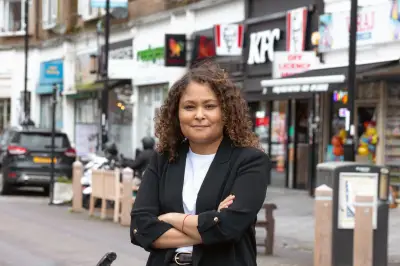
Zoe, the owner of Flour Baby Bakery in London, has sparked a heated debate after defending what some customers are calling an "outrageous" price for her signature carrot cake. The controversy erupted when she posted a TikTok video showing the creation of a stunning eight-inch carrot birthday cake, which now retails for £105 on her website.
From Home Kitchen to Social Media Sensation
Zoe launched Flour Baby Bakery in 2020 from her home kitchen, specializing in birthday cakes, wedding cakes, and beautifully decorated treats including cupcakes, cookies, brownies, and blondies. Her TikTok account, @theflourbaby, has amassed over 52,800 followers where she regularly shares behind-the-scenes content of her baking process.
The recent controversy began when Zoe revealed in a video that she had been selling the carrot cake for £89—a "2022 price" she had forgotten to update. After completing the latest cake, she immediately decided to increase the price to £105, explaining that the previous amount "just wasn't enough money" given the extensive labor and premium ingredients involved.
Breaking Down the Costs: Why Premium Ingredients Matter
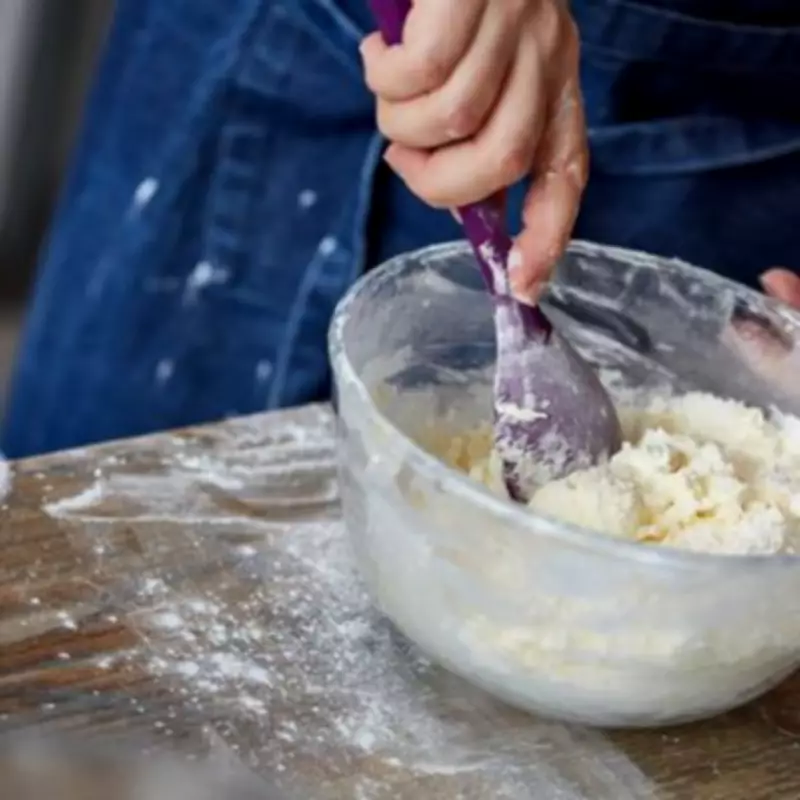
"The process of making a carrot cake is much longer than making a regular sponge cake," Zoe explained in her video. "Then the design I have on my website uses a lot of fruit. I spent about £11 just on fruit. I also use really nice cream cheese, fresh flowers, and a lot of walnut in the mixture. These are expensive ingredients."
The baker's semi-naked cake design features elaborate fruit decorations that significantly increase both material costs and preparation time compared to standard frosted cakes.
Social Media Backlash and Business Education
Dozens of TikTok users expressed shock at the price point, with comments ranging from "£90 you're mental" to questioning why a cake with "soggy grapes on top" would command such a premium. One critic even suggested the uneven coating indicated poor craftsmanship.
Zoe responded directly to the criticism, posting a follow-up video where she defended her pricing strategy and suggested that many critics "don't understand how running a business works." She speculated that some commenters might be young or children who haven't been taught basic business principles.
The Lemonade Stand Analogy: Explaining Business Economics
"I want to use this video for any young people who leave these types of comments just to explain the basics of business," Zoe stated in her educational response. She used a simple lemonade stand analogy to illustrate why businesses cannot sell products at cost price.
Her breakdown included:
- If a cup of lemonade costs 25p to make and sells for 25p, the seller earns zero profit
- Businesses must account for time, energy, branding, setup, supplies, and cleaning
- A percentage of these overhead costs must be passed to customers
- Businesses need to earn a profit beyond just covering expenses
Zoe compared her cake pricing to other common purchases: "When you go to Pizza Hut, you ask them why the pizza costs £24 when the raw ingredients cost about £2.50. You probably don't even think about it. But you're never buying things from businesses at cost price because business wouldn't be making any money."
She further illustrated her point with everyday examples: a £1.50 cup of tea in a cafe versus a 2p tea bag, or a £7 restaurant dessert that might cost the same to make at home.
The Reality of Running a Small Food Business in London
The controversy highlights the challenges small food businesses face in justifying premium pricing to customers who may not understand the full scope of operational costs. Flour Baby Bakery represents thousands of artisanal food producers who must balance quality ingredients, skilled labor, and business sustainability while competing in a market where mass-produced alternatives are significantly cheaper.
Zoe's educational approach to the backlash has sparked conversations about business literacy and the true cost of artisanal food production. While some customers may balk at £105 for a carrot cake, others recognize that premium ingredients, skilled craftsmanship, and sustainable business practices come at a price that reflects more than just raw material costs.