German Doner Kebab Turns to Technology for High Street Survival
In the face of escalating costs and shifting consumer habits, German Doner Kebab (GDK) is embracing cutting-edge technology to maintain its competitive edge. The British-owned fast-food chain, which operates 155 outlets across the UK and nearly 40 internationally, is implementing robotic kebab-slicers, self-service screens, and innovative kitchen designs to boost productivity and profitability.
Survival of the Fittest in a Challenging Market
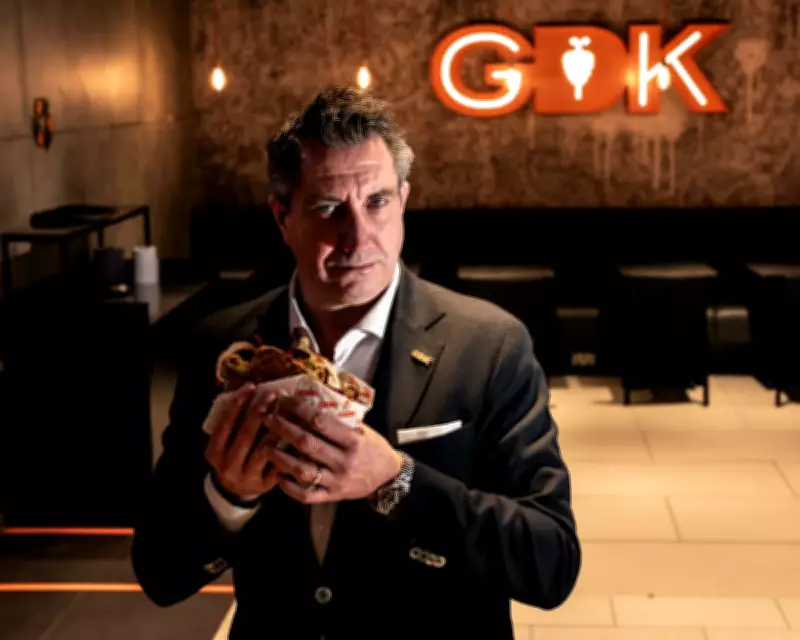
Simon Wallis, CEO of GDK, describes the current hospitality landscape as "survival of the fittest." With households increasingly cooking at home to save money and restaurants grappling with rising energy bills, business rates, national insurance, and hourly pay, profit margins are under intense pressure despite higher menu prices. Wallis emphasizes that his primary focus is ensuring franchisee profitability, noting that labor costs have had the most significant impact on operations.
To address these challenges, GDK has introduced a robotic kebab-shaver at its Bedford outlet, with plans to roll out the technology to new locations later this year. This automated device precisely slices meat from vertical rotisseries, reducing labor hours and improving consistency compared to human counterparts. Additionally, the chain uses equipment to preheat bread and centralizes sauce preparation in a dedicated kitchen to streamline processes.
Smart Kitchen Innovations and Self-Service Expansion
GDK's "smart kitchen" initiatives include removing barriers between the kitchen and counter, allowing a single staff member to prepare and serve food during quieter periods. The chain has also installed at least three self-service screens in each restaurant, with newer outlets featuring four. These screens now handle approximately two-thirds of all transactions, further cutting labor requirements.
The company's owners, led by British investment firm True Capital, fully support these technological investments. True Capital acquired a 60% stake in GDK last year from Hero Brands, a company controlled by Athif Sarwar, brother of Scottish Labour leader Anas Sarwar. Hero Brands originally purchased the brand from founder Farshad Abbaszadeh in 2015, after Athif Sarwar discovered GDK during a holiday in Dubai.
Targeting Gen Z with Healthy Options and Loyalty Programs
GDK is actively courting younger diners by introducing healthier menu items and trendy flavors. Currently, 57% of the menu complies with government HFSS (high in fat, salt, or sugar) advertising restrictions, with plans to increase this to 66%. The chain is also developing a loyalty app to encourage in-restaurant dining over delivery, as delivery sales—while up by more than 10% last year—are less profitable due to fees from platforms like Deliveroo and JustEat.
Wallis dismisses concerns about appetite-suppressing drugs impacting fast-food sales, stating that GDK's focus on Gen Z makes it "a bit immune" to such trends. The brand is leveraging social media popularity, such as with an extra-spicy kebab dish, and playing edgy dance music in outlets to appeal to younger customers.
Strategic Expansion and High Street Regeneration
Despite industry challenges, GDK plans to open 25 new UK sites this year, with long-term ambitions for 900 outlets worldwide. Wallis attributes this growth to operational tweaks that have "given partners confidence to invest." The company uses geolocation technology to identify regenerating high street areas, countering the narrative that traditional retail spaces are dead.
"It is wrong to say the high street is dead. In some pockets, high streets are coming back and you have got to be smart about the right location," Wallis asserts. By combining technological efficiency with targeted marketing, GDK aims to convince discerning consumers that its offerings are "worth it" in an era of tightened spending.