The Devastating Foot-and-Mouth Outbreak That Gripped the UK
Twenty-five years ago, the United Kingdom faced one of the most severe agricultural crises in its modern history. On February 22, 2001, the Guardian first reported the outbreak of highly contagious foot-and-mouth disease, a virus that would spread with alarming speed across the British countryside. This animal-transmitted disease created a national emergency with profound economic, social, and political consequences that would linger for years.
The Immediate Crisis Unfolds
The outbreak was confirmed at an Essex farm and abattoir, triggering an immediate European Union ban on all UK animal exports. This prohibition would cost farmers and food producers approximately £1 million daily in lost revenue from live animals and food products, including dairy items. Agriculture Minister Nick Brown urgently requested all farmers to check their livestock, emphasizing that the government's priority was containing the outbreak before it could spread further.
The National Farmers' Union warned that this outbreak could prove disastrous for an industry already struggling with multiple challenges. While acknowledging the export ban as a necessary measure to control the disease, farmers faced what they described as another catastrophic blow to their livelihoods.
Mass Culling and Rural Devastation
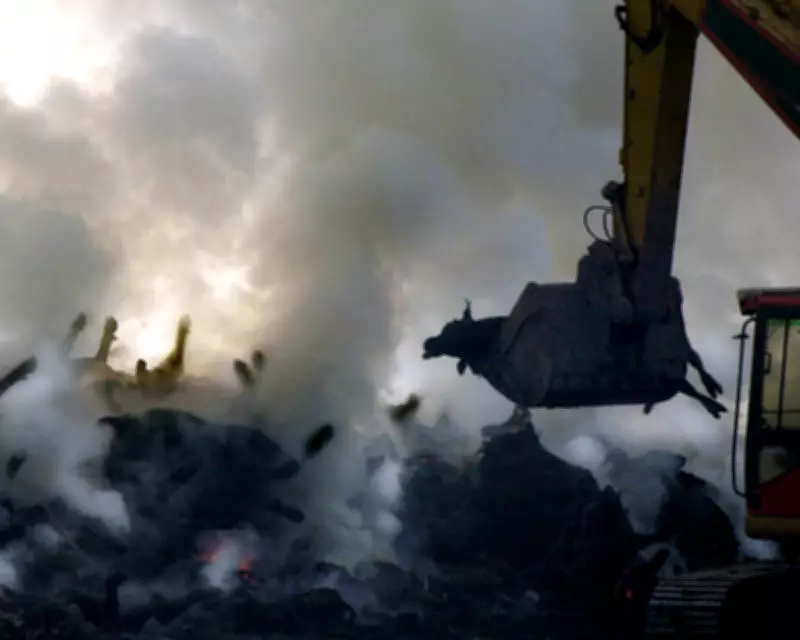
The foot-and-mouth outbreak ultimately became one of the worst in global history, resulting in the culling of approximately 6 million cattle, sheep, and pigs. The haunting image of mass funeral pyres burning across the countryside became emblematic of the crisis. Rural communities found themselves isolated, with movement severely restricted across affected areas.
Tourism in rural regions suffered devastating losses as visitors avoided the countryside. The crisis grew so severe that it forced the unprecedented postponement of the 2001 UK general election, demonstrating the outbreak's profound impact on national affairs beyond agriculture.
Industry Under Multiple Pressures
For pig farmers particularly, the timing could not have been worse. The industry was already grappling with stringent new animal welfare regulations, supermarket demands to eliminate genetically modified feeds, and competition from cheap imports from Denmark and the Netherlands. The foot-and-mouth outbreak represented what many described as a final hammer blow to an already depressed sector.
The Food Standards Agency moved quickly to reassure consumers that the export ban was purely for animal health reasons, with no direct implications for human food safety. However, officials acknowledged concerns that shopper confidence might be damaged by yet another food-related crisis.
Historical Context and Response
The 2001 outbreak dwarfed the previous major foot-and-mouth epidemic in 1967-68, which had resulted in the slaughter of nearly 450,000 animals. The highly virulent nature of the 2001 strain meant it could potentially spread through wind transmission, making containment exceptionally challenging.
Government and industry responses focused on what officials described as scorched-earth campaigns—drastic measures necessary to halt the disease's deadly progression. The crisis prompted renewed scientific attention to animal virus epidemics and their potential impacts on food systems and rural economies.
Two decades later, the foot-and-mouth outbreak of 2001 remains a defining moment in UK agricultural history, illustrating the vulnerability of food systems to disease outbreaks and the complex interplay between animal health, economic stability, and political decision-making during national emergencies.