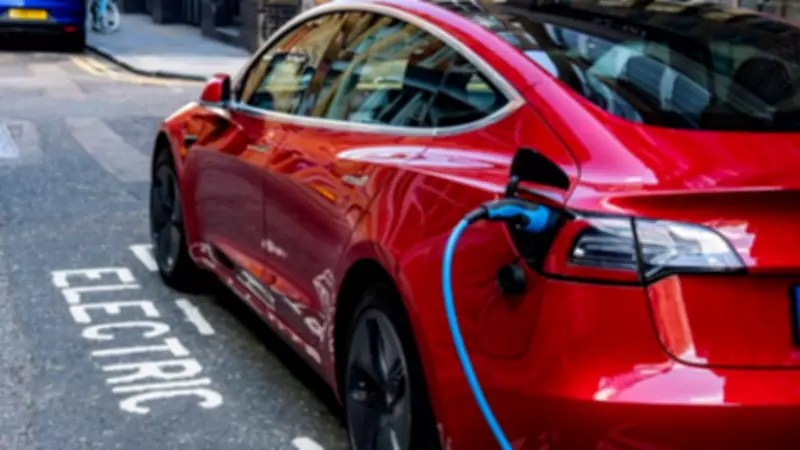
In a significant move for automotive safety, China has announced it will ban hidden door handles on electric vehicles (EVs) from next year. This decision makes China the first country globally to implement such a regulation, targeting a design feature popularised by Tesla and widely adopted by other EV manufacturers.
New Safety Requirements for Car Handles
According to details released by China's Ministry of Industry and Information Technology, new car models must comply with updated safety technical requirements starting from 1 January 2027. The policy mandates that every car door be equipped with both exterior and interior handles that include mandatory mechanical releases. This change aims to address critical safety concerns that have emerged following EV accidents where electronic door systems reportedly failed, trapping passengers inside vehicles.
Why the Ban is Being Implemented
The ban on hidden door handles comes in response to growing safety issues linked to their electronic operation. Hidden handles typically open via a key fob, mobile phone app, or manual pressure, but in emergencies, these mechanisms can malfunction. Last year, the US National Highway Traffic Safety Administration opened an investigation into some of Tesla's door release controls, highlighting similar risks. By requiring mechanical releases, China seeks to ensure that doors can be opened reliably during crises, such as crashes or electrical failures.
Specific Regulations and Timelines
The new regulations specify not only the need for mechanical releases but also rules for handle placement and functionality. Interior handles must be clearly visible and accessible, with guidelines on their location to facilitate easy operation in emergency situations. While new vehicle models must adhere to these standards from 1 January 2027, existing approved models will come under scope on 1 January 2029, allowing manufacturers time to adapt their designs.
Impact on the Electric Vehicle Industry
As the world's second-largest economy and a major player in the electric car market, China's decision is expected to influence global automotive trends. Hidden door handles, pioneered by Tesla and emulated by Chinese competitors, have become a hallmark of modern EV design, often associated with sleek aesthetics and advanced technology. However, this shift prioritises safety over style, potentially prompting other countries to reconsider their own regulations. Tesla has been contacted for comment on the implications of this ban, but no response has been issued yet.
This policy underscores a broader focus on enhancing vehicle safety standards as electric cars gain popularity, with nearly one in four new car buyers opting for electric models. By setting stringent requirements, China aims to mitigate risks and protect passengers, marking a pivotal moment in the evolution of EV design and regulation.