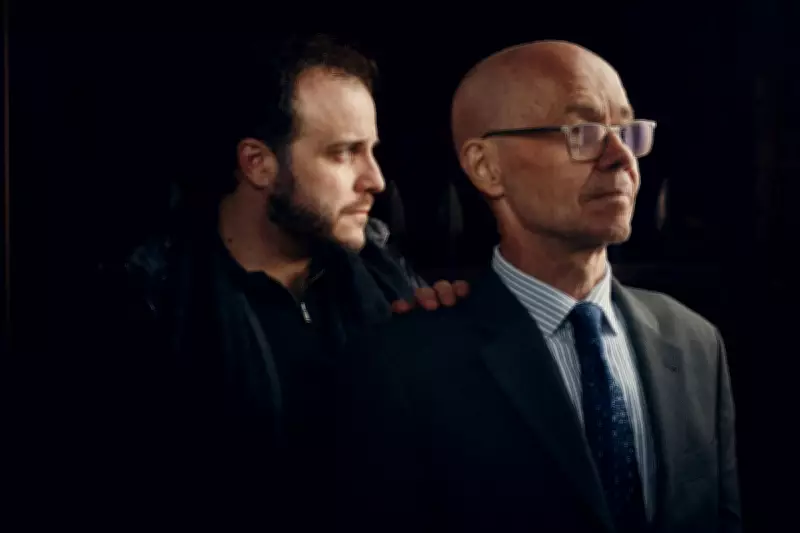
The Rise and Fall of a British Family in Dubai
Albert Douglas, a 58-year-old British businessman, never imagined his life of luxury on Dubai's Palm Jumeirah would end with him creeping along a barbed-wire fence at the UAE-Omani border in February 2021. Once chauffeured in a Rolls-Royce, he was now in a pickup truck with people smugglers, desperate to escape. His son, Wolfgang Douglas, watched from London as gunshots crackled over a phone line before it went dead, leaving Albert captured by UAE soldiers.
From Business Success to Legal Nightmare
Albert and Wolfgang moved to Dubai in the early 2000s, drawn by the booming property market and tax benefits. They built successful flooring companies, with Wolfgang's TimberWolf Flooring supplying projects like the Burj Khalifa. The family lived lavishly, even receiving a pet tiger cub from Dubai's ruler. However, by 2019, Wolfgang faced millions in unpaid debts from government projects, a dangerous position in a country where financial disputes can lead to criminal charges.
While Wolfgang stayed in the UK for health reasons, Albert returned to Dubai, believing he was safe. He was arrested at the airport over outdated paperwork linking him to Wolfgang's debts. Despite evidence of forged documents, Albert was convicted, facing a £2.5m fine and three years in prison. His appeals failed, and he realized the legal system was rigged against him.
A Harrowing Escape and Brutal Imprisonment
With no legal options, Albert paid smugglers £20,000 to escape via the desert border. Soldiers captured him, and he was hooded, beaten, and tortured for days. He was then imprisoned in Al Ain central prison, where guards beat him unconscious, breaking his shoulder. Transferred to Al Awir prison, he endured squalid conditions, sharing a cell with up to 15 men, including other foreign businessmen like Ryan Cornelius and Charles Ridley, jailed for nearly two decades over a loan dispute.
Albert suffered further abuse, including sleep deprivation and forced confessions in Arabic. Medical treatment was delayed, and he was pressured to record a false TV interview praising his captors. Throughout, Wolfgang lobbied the UK Foreign Office for help, but consular visits were rare and ineffective, with officials often dismissing allegations of torture.
The UK's Complicated Relationship with the UAE
The UAE is Britain's largest trading partner in the Middle East, with over 5,000 British businesses operating there. This economic tie may explain the UK government's reluctance to intervene in cases like Albert's. Previous victims, like academic Matthew Hedges, have reported similar neglect, with the Foreign Office failing to protect citizens from arbitrary detention and torture.
Despite media pressure and UN involvement, Albert was only released in December 2025 after a pardon, though the UAE never acknowledged his innocence or returned seized assets worth tens of millions. He now suffers from PTSD, with nightmares and physical scars, while fighting for compensation and updated travel warnings.
Lessons for Expats and Influencers
Dubai's image as a tax-free paradise contrasts sharply with its reality for foreigners in legal trouble. Debt can lead to imprisonment, and the legal system often favors Emiratis. With recent conflicts highlighting the UAE's instability, expats and influencers are under pressure to portray only positive aspects, risking fines or jail for dissent.
Albert's story serves as a stark warning: the shine of Dubai can quickly tarnish, leaving British citizens vulnerable with little support from their government. As he rebuilds his life in London, he urges others to speak out, remembering those still trapped in UAE prisons.