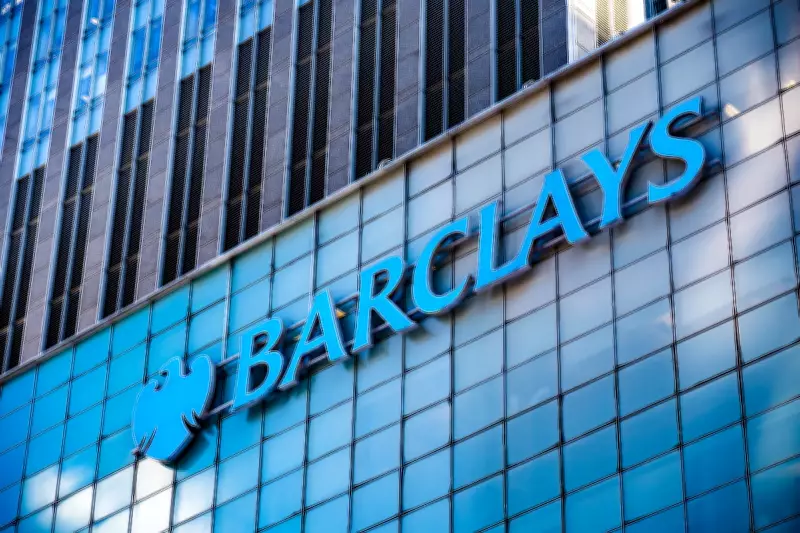
In a significant reversal of industry trends, Barclays has announced plans to expand its physical branch network and revive the traditional "bank manager" role after years of rapid closures across the UK banking sector. The bank's UK chief executive, Vim Maru, revealed the strategy in an interview with the Times on Saturday, signaling a major shift toward combining digital services with in-person support.
Branch Expansion Strategy
Barclays will increase its branch network beyond the current 206 locations, having already paused a closure program that saw approximately 80 percent of its branches shuttered since 2019. This move comes after a decade-long retreat from high streets nationwide, with nearly 3,700 bank branches closing since 2016 alone. During this period, Barclays closed more than 1,200 locations, while rivals including NatWest, Lloyds Banking Group, and HSBC implemented substantial cuts of their own.
Competitive Response to Digital Challengers
The decision reflects a broader reassessment within traditional banking as lenders respond to both political pressure and competitive threats from app-based challengers. Digital-first banks like Revolut and Wise have captured significant market share, particularly among younger customers and small businesses. According to the British Business Bank, challenger lenders now account for around 60 percent of gross lending to SMEs.
Maru emphasized that Barclays aims to differentiate itself by offering personalized, face-to-face interaction alongside digital tools. "What we're trying to do is something that allows us to differentiate in front of our customers," he stated, adding that customers would not be "stuck in some chatbot" when seeking assistance. The bank is targeting both retail customers and growing businesses that value this hybrid approach.
Revival of Traditional Roles
Barclays has reintroduced traditional job titles, including "bank manager," in response to customer demand for clearer, more familiar roles when visiting branches. This move addresses concerns about the emergence of "banking deserts," where access to physical banking services has become increasingly limited, particularly affecting vulnerable customers and cash-reliant businesses.
Technological Investment Continues
Despite the renewed focus on physical presence, Barclays continues to invest heavily in technology and artificial intelligence to streamline operations. For example, mortgage applications can now be completed in approximately 15 minutes, down from 45 minutes previously, thanks to system upgrades. The bank also maintains its involvement in shared banking hubs operated through the Post Office, which have processed hundreds of millions of transactions in recent years as branch numbers declined.
Future Expansion Plans
While Maru did not specify the exact number of new branches to open, he indicated they would be additions to the existing network rather than replacements. This strategy is part of a wider push by Barclays group chief executive CS Venkatakrishnan to increase investment in the UK, with plans to deploy £30 billion between 2024 and 2026. Despite ongoing speculation about potential acquisitions, Maru stated that his focus remains on organic growth.
The bank's reversal marks a pivotal moment in UK banking, balancing digital innovation with the enduring value of personal service on the high street.