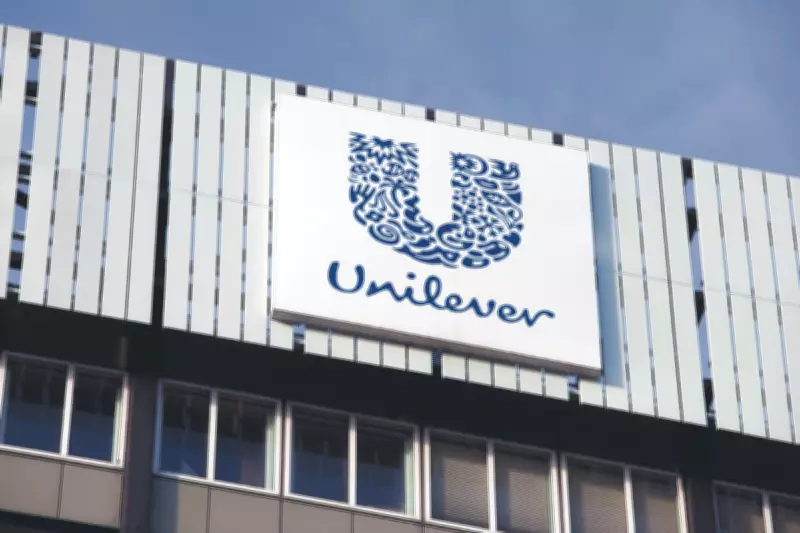
Unilever is facing investor pressure over the structure of its deal with McCormick as it revealed that the spin-off of its food brands will cost up to €1bn. The FTSE 100 consumer goods giant reported that revenue fell across nearly all of its arms in the first quarter of 2026.
Stranded Costs and Restructuring
The company said it will face between €400m and €500m (up to £433m) of “stranded costs” after offloading its food brands, including Marmite and Hellman’s, in a merger with US spice maker McCormick. Additionally, Unilever will incur “one-off restructuring costs” of €500m between now and 2029. The total financial hit is expected to be offset through savings from the deal.
Investor Discontent
The merger created a $60bn food empire, but Unilever has since faced investor discontent after shareholders were denied a vote on the deal. Chief executive Fernando Fernandez stated: “We continue to move at speed to build a simpler, sharper Unilever with a structurally higher growth profile and a brand portfolio fit for the future.”
Revenue Decline Across Divisions
Unilever saw revenue dip in the first three months of 2026 across its beauty and wellbeing (five per cent), home care (three per cent), and foods (six per cent) arms. Only its personal care brands saw revenue grow, by 0.6 per cent to €3.3bn.
Shift Towards Beauty and Bodycare
The company has lurched towards its beauty and bodycare brands since the arrival of Fernandez as boss. Announcing the offloading of its food brands, Fernandez said the spin-off would help to slim down the sprawling group. He added: “For Unilever, this transaction is another decisive step in sharpening our portfolio and accelerating our strategy towards high-growth categories.”
The food and consumer goods giant was formed in 1930 following a merger between Dutch margarine maker Unie and British soap producer Lever, and is headquartered in London.