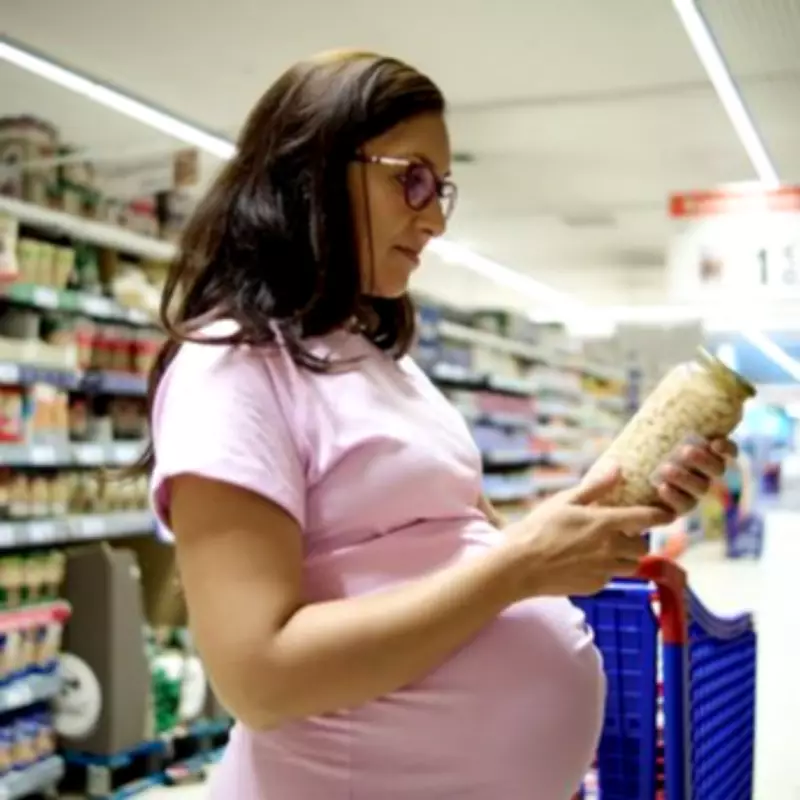
Major UK supermarkets are actively exploring the possibility of reintroducing Covid-style voucher schemes to provide additional support for families struggling with the ongoing cost of living crisis. Retail giants including Tesco, Sainsbury's, Asda, and Aldi have indicated their willingness to offer £2 weekly top-up vouchers as part of the government's Healthy Start programme, which aims to assist customers with young children or those who are pregnant with their grocery expenses.
Supermarket Support for Government Initiative
The proposed move would see supermarkets supplementing the Labour Party government's existing Healthy Start scheme, which provides financial assistance for essential food items. According to industry reports, supermarket representatives have been engaging with MPs and parliamentary committees to discuss practical implementation strategies for the voucher revival.
Tesco's Active Engagement
Tesco's head of health and sustainable diets, Oonagh Turnbull, confirmed that Britain's largest retailer is actively examining its options regarding the potential voucher scheme. "We are actively involved in conversations with industry bodies to see what is possible," Turnbull stated during evidence presented to the Health and Social Care Committee.
Turnbull emphasised that one of Tesco's primary focuses would be addressing the historically low awareness of the Healthy Start scheme among eligible recipients. "A big focus for us across all our businesses is to help with awareness raising," she explained, noting that during the Covid pandemic, supermarkets played a crucial role in promoting similar support programmes.
Sainsbury's Conditional Support
Sainsbury's health director, Nilani Sritharan, indicated that the supermarket chain is prepared to implement £2 top-ups should the government revert to paper voucher formats. Sritharan highlighted technical challenges that emerged when the scheme previously transitioned to digital Mastercard formats, explaining: "When the voucher was digitised and it moved to a Mastercard format, we had no way of easily identifying that customer in our systems to anonymously generate a coupon at the till."
Addressing Previous Implementation Challenges
The Healthy Start scheme has faced significant operational difficulties in recent years, including technical problems that left families unable to use their prepaid cards at supermarket checkouts. Additionally, supermarkets have faced criticism for insufficient promotion of the scheme to eligible customers.
Asda's Prepared Position
Beth Fowler, senior manager for health and sustainable choice at Asda, told the parliamentary committee that the supermarket was equally prepared to support the voucher proposal. However, she expressed concerns about the current debit card format, stating: "Because it is a debit card, we cannot control, for example, what customers are buying with that card, and we have concerns around topping that up for customers and it not being used on the categories government intend it to be used for."
Aldi's Open Approach
Aldi has also indicated its openness to participating in the voucher top-up scheme, suggesting broad industry support for measures that could help alleviate financial pressures on vulnerable families during challenging economic times.
Broader Context and Industry Commitment
During the Covid pandemic, supermarkets played a significant role in boosting government financial support for parents with young children and pregnant mothers. The current discussions reflect a continued commitment from major retailers to collaborate with government initiatives addressing food poverty and household financial strain.
The proposed voucher revival represents a potential public-private partnership approach to social support, with supermarkets leveraging their retail infrastructure to deliver targeted assistance to those most affected by rising living costs. Industry representatives have emphasised the importance of creating systems that are both practical for implementation and effective in reaching intended beneficiaries.