Air India Crash Investigation Leans Towards Deliberate Pilot Action
Investigators probing the catastrophic Air India disaster, which claimed the lives of 260 people, are reportedly focusing on deliberate pilot action as the most likely cause of the crash. This bombshell theory, which has circulated as a rumour for months since the tragedy on June 12 in Ahmedabad, is gaining traction within India's official inquiry, according to insider sources.
Evidence Points Away from Mechanical Failure or Sabotage
Experts have already eliminated mechanical failure as a factor and found no signs of sabotage, as reported by Bloomberg, citing individuals close to the investigation who requested anonymity due to the sensitive nature of the findings. This leaves pilot action as the primary line of enquiry in the crash, which resulted in only one survivor.
Authorities and the families of the pilots involved have shown resistance to the theory of pilot involvement. The disaster occurred mere minutes after the Boeing 787 took off from Ahmedabad en route to London, marking one of India's most severe aviation catastrophes.

Pilot Profiles and Suspicious Actions
The aircraft was commanded by Captain Sumeet Sabharwal, aged 56, an experienced aviator with over 15,600 flight hours. Assisting him was First Officer Clive Kunder, who had accumulated 3,403 hours of flying experience. Previously leaked details from the investigation hinted that Captain Sabharwal may have deactivated the engine fuel flow, intensifying suspicions surrounding the incident.
An initial assessment by US officials indicated that the crash was not attributable to any issues with the jet itself, fueling speculation that it could have been a murder-suicide. However, the investigation by India's Aircraft Accident Investigation Bureau (AAIB) remains ongoing.
Blame Game and Technical Findings
The uncertainty has sparked a blame game among authorities, the pilots' families, and a pilots' union. An early AAIB report, released as standard procedure, noted that the fuel cutoff switches were moved from 'run' to cutoff, causing the engines to lose fuel and the plane to descend.
The report includes a chilling detail from the cockpit voice recording: one pilot is heard questioning the other about why he cut off the fuel, to which the other pilot denies doing so. Many interpret this as evidence that the plane was not at fault, while the families of the pilots argue they are being scapegoated to deflect blame from Boeing, the aircraft manufacturer.
Families' Anguish and Calls for Independent Probe
The 91-year-old father of Captain Sabharwal, whom the pilot was caring for at the time of the crash, has petitioned India's Supreme Court for an independent investigation. The grief of the families has been compounded by reports that some received incorrect remains, including several British families affected by the tragedy.
Survivor's Miraculous Escape and Passenger Demographics
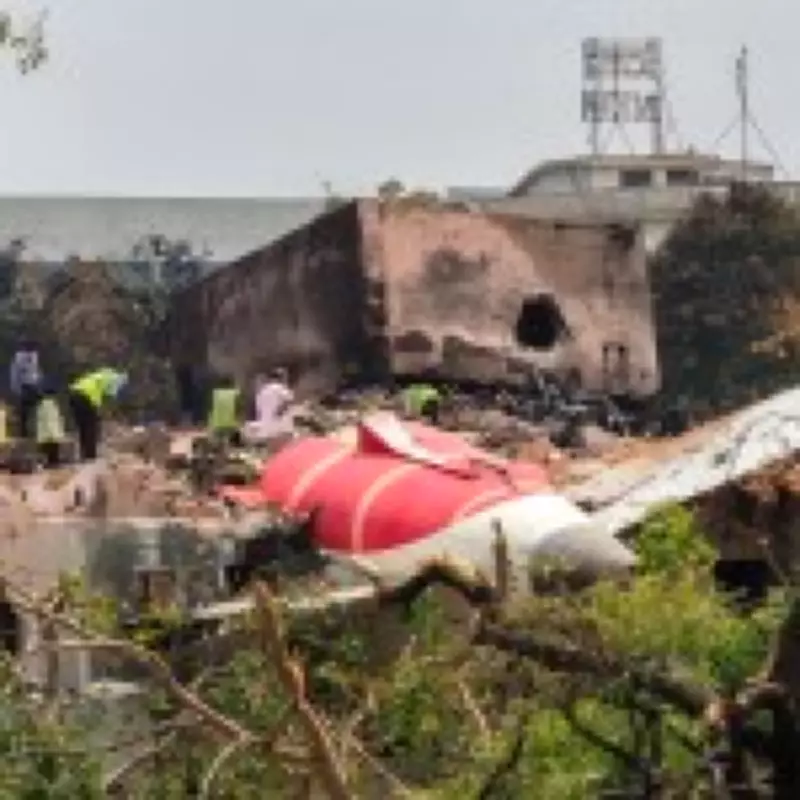
The Air India flight was carrying 169 Indian nationals, 53 British, one Canadian, and seven Portuguese passengers when it crashed outside the airport, impacting a hospital accommodation building. The sole survivor, Viswashkumar Ramesh, described himself as the 'luckiest man' alive after escaping the wreckage, a feat experts have deemed nearly impossible.
As the investigation continues, the aviation community and the public await further clarity on the factors that led to this devastating event, which has left an indelible mark on India's aviation history.