Australian Shoppers Return to Pandemic-Era 'Pantry Loading' Amid Fuel Crisis
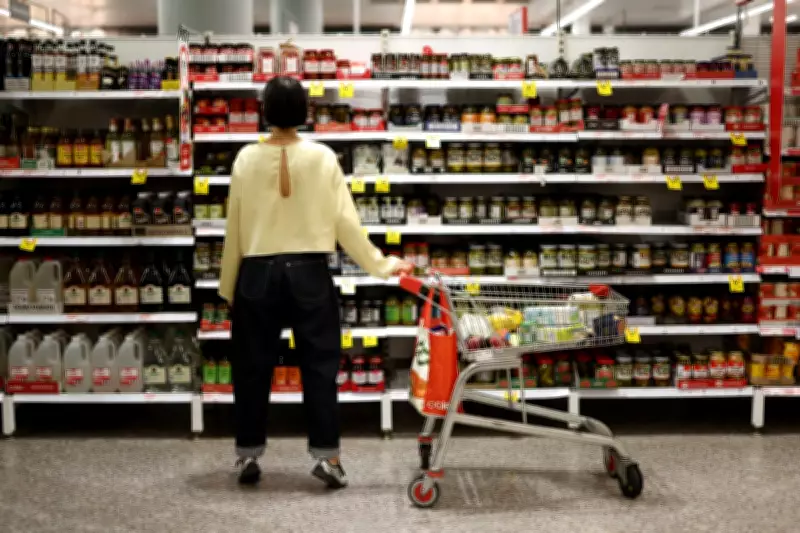
Australian consumers are dramatically shifting their shopping habits, returning to pandemic-style stockpiling of long-life pantry staples as cost-of-living pressures collide with fears about fuel shortages and potential food price hikes. The phenomenon, known as "pantry loading" or "back stocking," sees households accumulating canned tomatoes, lentils, long-life milk, tinned spaghetti, rice, and baked beans to stretch their budgets and prepare for potential supply disruptions.
Fuel Crisis Sparks Practical Response
Robyn Power, a Ballarat resident and mother of two who runs a community budget-saving group, observes that families in her community are adopting shopping patterns reminiscent of the COVID-19 pandemic. "It started in Covid, and now with this whole fuel thing, we're almost going back there again," Power explains. "People are worried that trucks will run out of diesel and won't be able to get goods to the shops, or they are trying to drive less often to the supermarket themselves, so they are getting staples because they last longer and can fill out a meal."
The behavioral shift is driven by multiple converging factors, including reignited cost-of-living pressures and general instability sparked by the fuel crunch. Power notes that practical considerations are paramount: "If people are worried about the price of meat, you can do so much with beans instead, plus they're filling. They can stretch your meal out further, and you can use them many different ways."
Manufacturers Notice Surge in Demand
Food manufacturers have already detected significant changes in consumer purchasing patterns. SPC Global reports a surge in purchases for its canned tomatoes, baked beans, and packaged fruit, with demand increasing by as much as 20% in recent weeks as households stockpile long-life pantry staples in response to the Middle East conflict.
The company is now securing "additional materials and volume" to ensure supply meets the heightened demand and anticipates increased household stockpiling as the conflict continues. Several food manufacturers contacted by Guardian Australia indicate they began noticing buying changes at the end of March, when consumers realized the conflict's effects could be long-lasting and discussions about fuel rations became more common.
Economic Pressures Compound Concerns
The Iran war has triggered substantial volatility in oil prices, prompting immediate changes in consumer behavior beyond pantry loading, including a rapid rise in electric vehicle sales. More Australians are working from home and using public transport as road traffic on key city thoroughfares decreases.
High diesel prices caused by supply disruptions in the Strait of Hormuz are fueling expectations that food prices will rise as fertilizer, general farming, and transport costs increase. Although a current two-week ceasefire offers hope for easing fuel prices, this development is widely viewed as fragile.
Social enterprise Box Divvy reports that while pricing changes for produce have been mixed in recent weeks, fuel levies have added up to $7 to a 10kg box of field tomatoes in some areas. Co-founder Anton van den Berg explains that increasing farming costs gradually flow through to customers: "What we're seeing now is the early stage of that. The next few weeks will be telling in terms of how much of this starts to show up more clearly in prices."
Budget-Conscious Adaptation
In Ballarat, Power emphasizes that some behavioral shifts toward long-life staples represent practical adaptations to address cost-of-living pressures exacerbated by high fuel prices. "Interest rates have been going up, rents are high, and now fuel prices are high. It's just about trying to make your money go further," she states.
Manufacturers caution that these behavioral changes remain in their early stages, with no indication that the empty supermarket shelves witnessed during the pandemic will recur. However, the trend toward pantry loading reflects growing consumer anxiety about economic stability and food security in an uncertain global landscape.