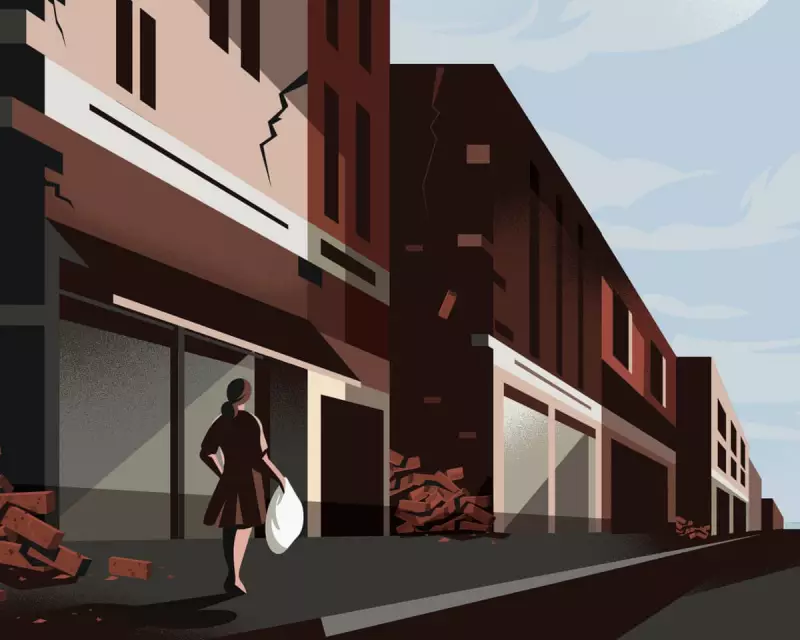
The familiar bustle of Britain's town centres is fading into an eerie silence, with the nation's high streets reaching a perilous tipping point. For many over the Christmas period, visits to hometowns revealed a stark new reality: once-thriving retail hubs are teetering on the brink of economic collapse.
A Relentless Wave of Closures
This hollowing-out, ongoing since the 2008 financial crash, has dramatically accelerated. In 2024 alone, the UK lost approximately 37 shops every day, amounting to almost 13,500 permanent retail closures. This marked a staggering 28% increase on the previous year. Major names like Lloyds Pharmacy, The Body Shop, and Ted Baker shuttered branches.
The trend has continued into 2025, with thousands more stores owned by large retail groups closing. The casualty list includes Fired Earth, New Look, and the beauty chain Bodycare. Even the most resilient staples are vanishing, evidenced by Poundland closures and the retreat of charity shops. Cancer Research UK plans to shut around 90 stores by May, with up to 100 more slated for closure by April 2026.
Ghostly monuments to this decline stand empty, like the vast ex-Debenhams buildings vacant since 2021. More poignant are the closures of long-standing local institutions. In Trowbridge, Wiltshire, the nearly 150-year-old home and electrical business HJ Knees has shut its physical outlet. Its manager cited the rise of online shopping, soaring business rates, and a lack of support for independents as the final straw.
Crime, Politics, and a "High Street Emergency"
As vacancies spread, a darker element has filled the void. The National Crime Agency's late-2024 raids on 2,734 high-street shops seized over £10.7m in suspected criminal proceeds, exposing fronts for modern slavery and illegal working. Security Minister Dan Jarvis denounced "dodgy shops" masking serious organised crime.
This crisis has become potent political fodder. Reform UK has campaigned for over a year on a "high street emergency". In 2024, deputy leader Richard Tice linked new barber shops to money laundering and drug money, deliberately tying the issue to the party's immigration stance. Research by the think-do tank Power to Change reveals a striking correlation between Reform's popularity and the decay of town centres.
Patchy Solutions and Daunting Challenges
The government is attempting to respond. Its Pride in Place programme aims to revive empty premises through enhanced compulsory purchase powers and rent auctions. There are proposals to let councils refuse new betting shops, vape stores, and 'fake barbers', and £20m regeneration funds for some of the UK's most deprived areas.
However, the plan is limited in scope and faces two major headwinds. First, policies like the hike in employers' national insurance and the initially proposed 76% business rates increase for pubs (versus 4% for large supermarkets) have drawn fierce criticism from hospitality and retail. Second, years of cuts have left local councils struggling to fulfil basic duties, let alone lead complex urban reinvention.
The vision for the future remains unclear but points towards mixed-use centres: bringing public services and education into old shopping districts, focusing housing policy on town centres, and leveraging art and culture.
Glimmers of Hope: Community-Led Reinvention
Despite the gloom, inspirational blueprints for change exist. Large-scale projects, like Stockton-on-Tees's revival of the Globe theatre and creation of a new urban park triple the size of Trafalgar Square, show ambition.
More grassroots efforts are equally powerful. In Plymouth, the social enterprise Nudge has spent eight years repurposing long-empty city-centre buildings. A former YMCA now hosts 22 businesses; an old shop is a community and adult education space; plans are afoot to transform a derelict 15-year-empty cinema into workspaces and a music venue.
These successes rely on a blend of philanthropic, social, and public investment. They underscore a vital lesson: revival must be driven by people on the ground, not by distant Whitehall levers. The fate of these places is inextricably linked to the national mood. Without tangible change, the resentment fuelled by corporate flight, crime, and lost human contact will only deepen, offering further opportunity to political opportunists.