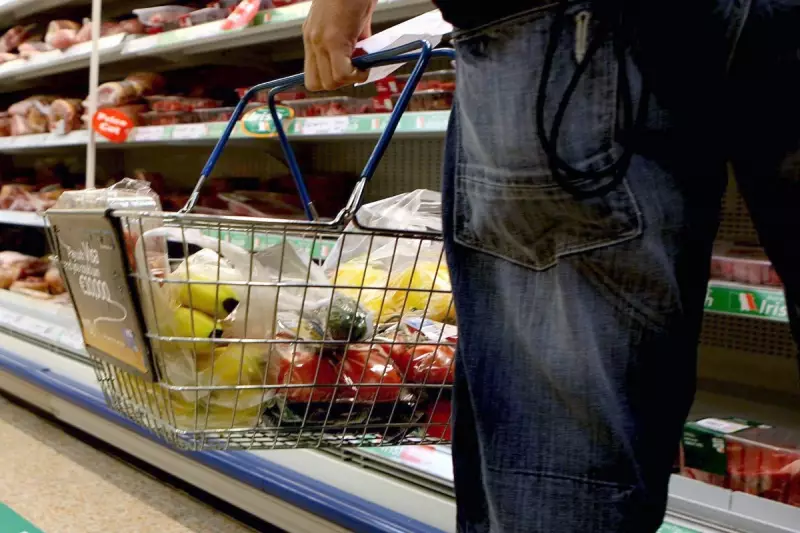
Rising food prices forced shop price inflation upwards in December 2025, placing significant pressure on British households during the crucial Christmas shopping period, according to new industry data.
December's Inflation Surge Driven by Grocery Bills
Fresh figures from the British Retail Consortium (BRC) and NIQ show that annual food inflation climbed to 3.3 per cent in December 2025, an increase from three per cent in November. The cost of fresh produce was a particular pressure point, rising to 3.8 per cent from 3.6 per cent the previous month.
This increase in food costs towered over the broader shop price inflation rate, which stood at a much lower 0.7 per cent. The food inflation figure for December was, however, just below the nine-month average of 3.9 per cent.
Retail Leaders Warn of Sticky Inflation Ahead
Helen Dickinson, chief executive of the BRC, stated that retailers are committed to keeping prices as low as possible. She cautioned, however, that public policy costs and new regulations threaten to maintain inflationary pressures.
"While falling energy prices and improved crop supply should help ease some cost pressures, increased public policy costs and regulation will likely keep inflation sticky," Dickinson explained.
This sentiment was echoed by major supermarket chains, including Tesco, Lidl, and Morrisons. Ahead of Chancellor Rachel Reeves's second Autumn Budget, they wrote to the Treasury warning that high food inflation is likely to persist into 2026, partly due to costs imposed by the previous budget.
Weak Shopper Sentiment Set to Continue
The financial strain on consumers is clear. A recent KPMG survey found that 81 per cent of Britons who believe the country is getting worse cite grocery costs as the primary reason.
Mike Watkins, head of retailer and business insight at NIQ, predicted that "weak shopper sentiment" is likely to continue throughout 2026, even though overall inflation is expected to have peaked.
Customers did find some relief in other areas during the festive season. Deflation on non-food products held steady at 0.6 per cent. The wider Consumer Prices Index (CPI) inflation rate also fell to 3.2 per cent in December from 3.6 per cent in November—a larger drop than analysts forecast, though still above the Bank of England's two per cent target.
The Office for National Statistics noted that food prices remained the biggest driver of inflation, despite decreases for items like cakes, biscuits, and breakfast cereals. Staggering year-on-year increases were recorded for specific staples:
- Beef prices were up a colossal 27.7 per cent.
- Chocolate rose by 17.3 per cent.
- Milk increased by 14.8 per cent.