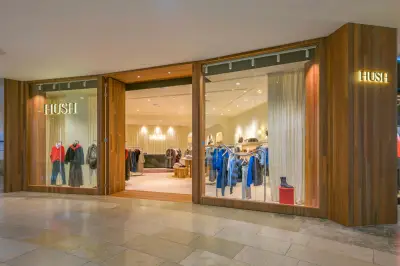
Britain's traditional Boxing Day sales failed to deliver a much-needed boost to the nation's High Streets, with new data revealing a significant slump in shopper numbers compared to last year. The disappointing turnout has sparked fresh concerns for retailers already facing a challenging economic climate.
High Streets and Market Towns Bear the Brunt
According to retail analysts MRI Software, footfall across UK High Streets was down by up to 2.4% year-on-year during the early part of Boxing Day. The capital felt the pinch most acutely, with central London seeing a dramatic 7.7% drop in visitors by 1pm when measured against 2024 figures. Market towns also struggled, recording a 7.1% decline over the same period.
Although numbers improved slightly later in the afternoon, they failed to recover to previous levels. By 3pm, High Street footfall remained 1.5% lower than last year, while shopping centres reported a 0.6% decrease.
Jenni Matthews, a retail analyst at MRI Software, warned that this trend could be the beginning of a longer-term shift in consumer behaviour. She suggested that economic uncertainty is causing people to think twice before spending. "We know consumers were feeling an air of caution in the lead-up to the Budget being announced, and it could be resulting in consumers looking to start saving their pennies now," Matthews said.
The Rise of the Retail Park and a £1bn Spending Drop
While traditional shopping destinations faltered, one area bucked the trend entirely. Out-of-town retail parks experienced a notable 6.7% surge in footfall by mid-afternoon. This helped lift the overall footfall across all retail destinations to a slight 0.7% year-on-year increase by 3pm.
Matthews attributed this shift to evolving consumer habits, noting that retail parks now offer more than just shops. "We know that retail parks have diversified over the years. There's a lot more leisure, hospitality and experience-based activities located there in addition to traditional shopping, so it could be a blend that families are looking for," she explained.
This change in where people go did not translate into higher overall spending. Banking giant Barclays predicted that total Boxing Day expenditure would fall by a staggering £1 billion, dropping to £3.6bn from £4.6bn in 2024. Their research found only 26% of shoppers planned to participate in the sales, down from 28% last year.
Barclays also reported that nearly 70% of consumers blamed cost-of-living pressures for their reduced spending, a sharp rise from less than half who said the same just six months ago.
Broader Trends Squeezing the Boxing Day Boom
Several key factors are conspiring to diminish the Boxing Day sales event, which was once the High Street's most profitable trading day.
- The shift to online: Major retailers like Next now start their sales online on Christmas Eve and keep physical stores closed on Boxing Day.
- Earlier discounting: The popularity of Black Friday and Cyber Monday has pulled consumer spending forward into November.
- Changing habits: Shoppers are increasingly combining trips with leisure. Katie Wyle of Westfield owner Unibail-Rodamco-Westfield noted that visitors see it as "a full-day occasion, combining retail, dining and leisure."
- Rising costs: Experts caution that increased footfall doesn't guarantee higher spending, especially as households anticipate higher taxes. Meanwhile, retailers face their own cost hikes from minimum wage and National Insurance increases.
The combined effect of these trends presents a formidable challenge for brick-and-mortar retailers as they head into 2026, signalling a potential permanent recalibration of the post-Christmas shopping ritual.