Most Shoppers Experience Regret After Black Friday Splurges
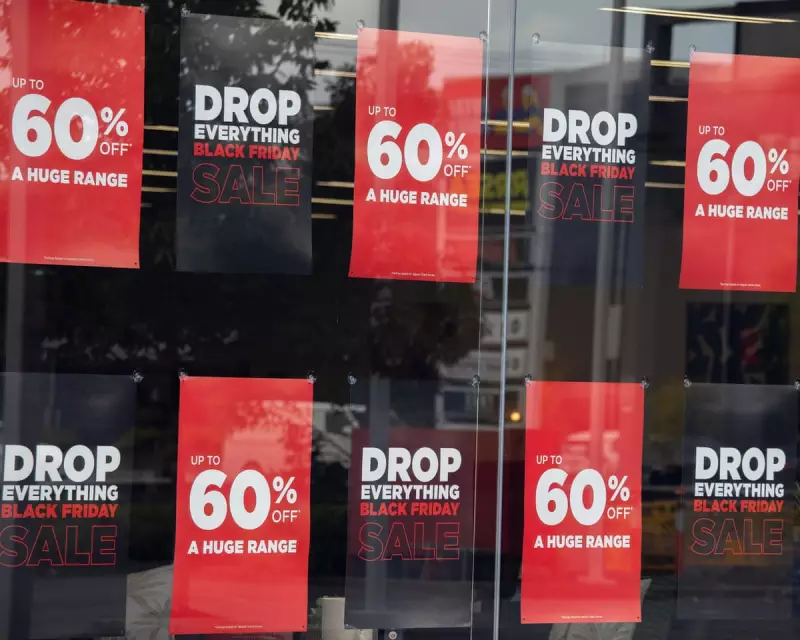
New research from consumer advocacy group Choice has uncovered that more than half of Australian shoppers experience significant regret following their Black Friday purchases. The survey found that 53% of Australians either regretted a purchase or encountered negative experiences during the sales events.
With Black Friday sales officially commencing on 28 November, Choice is urging consumers to exercise caution against what they describe as aggressive marketing tactics designed to create false urgency. Liam Kennedy, a Choice journalist, warned that retailers are employing numerous strategies to pressure shoppers into making impulsive decisions that often lead to disappointment.
Deceptive Sales Tactics Under Scrutiny
The comprehensive survey revealed several concerning patterns among Black Friday shoppers. 52% of respondents admitted spending more money than they originally intended, while 48% purchased items they didn't actually need. Nearly half (47%) reported feeling pressured into buying due to intense marketing and promotional campaigns.
The Australian Competition and Consumer Commission (ACCC) has announced increased scrutiny during this year's Black Friday period, specifically targeting deceptive sales practices. Their investigation will focus on several problematic tactics including:
- Misleading "store-wide" or "site-wide" claims that actually involve numerous exclusions
- Fine print disclaimers that limit headline sale promises
- Deceptive "up to X% off" offers with illegible conditions
- Misleading strikethrough pricing comparisons
- False urgency through inaccurate countdown timers and limited-time claims
The ACCC's action follows discoveries of questionable tactics in 2024 sales, resulting in multiple investigations. In June 2025, retailers Michael Hill, MyHouse and Hairhouse Online paid penalties for allegedly making false and misleading representations about their Black Friday sales.
Expert Advice for Savvy Shopping
Choice recommends several strategies to help consumers avoid falling victim to Black Friday hype. Kennedy emphasised that "you don't have to feel too pressured to buy into the hype" since sales periods are extending longer each year.
Shoppers should compare prices across multiple retailers, as these sales are rarely offering the "lowest price ever." When considering major household purchases like televisions or mattresses, researching product reviews is crucial to ensure you're selecting a high-performing model.
Kennedy also advised checking for limits and exceptions in the fine print and being wary of expensive add-ons such as unnecessary extended warranties or accessories that might be cheaper elsewhere. Always verify return policies in advance, as consumer law guarantees don't cover change-of-mind returns.
Financial experts like John Arnott, director of personal banking at AMP, warn that the festive season's "relentless" marketing during emotionally charged periods can lead to impulse buying that derails financial goals. He recommends setting a simple budget and researching purchases ahead of time.
Professor Monica Whitty, head of Monash University's department of software systems and cybersecurity, highlighted that Black Friday presents prime opportunities for scammers. She advises avoiding clicking links in promotional emails and instead independently searching for businesses to verify their websites directly.
Additional security measures include only shopping on trusted sites displaying the padlock icon in the URL bar, using secure payment methods like credit cards or PayPal, and avoiding purchases over public WiFi networks that can expose personal and financial details.
As Professor Whitty succinctly put it: "Take your time and never feel rushed into a purchase just because you see a sale. No sale is worth getting scammed."