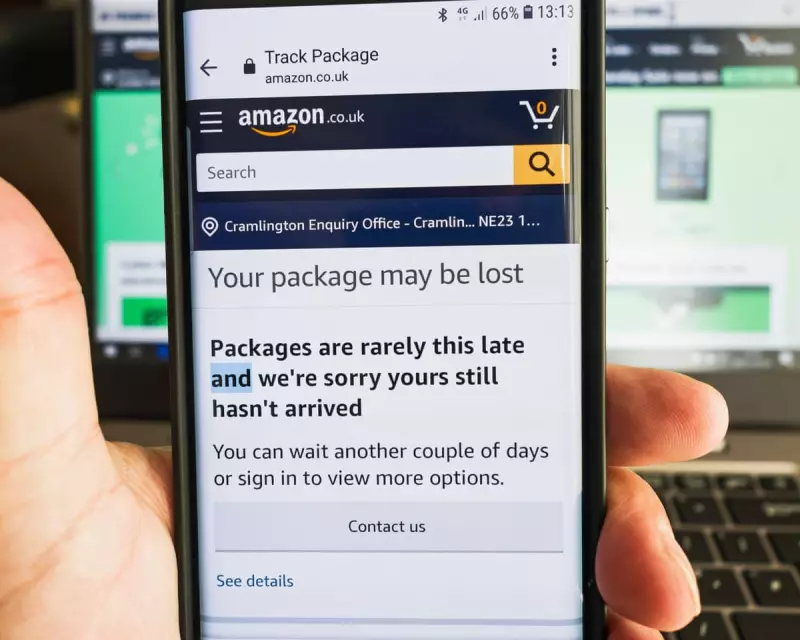
A London shopper has been plunged into a customer service nightmare after Amazon insisted he return a mobile phone it had already declared as potentially lost in transit before issuing a refund.
The Paradox of the Lost Parcel
The customer, identified only as SH from London, ordered a phone worth £544 from the online retail giant. The purchase was made using a payment plan, requiring monthly instalments of £108. Shortly after, a tracking update delivered the frustrating news: the package "may be lost". The system offered a refund option, which SH selected.
This action triggered a convoluted process with Amazon's customer service. Initially, SH was told to wait a week before a claim could be filed. After the week elapsed, the next instruction was to file an official incident report, but it had to be sent from the email address linked to the Amazon account.
In a twist that defies logic, when SH complied, Amazon rejected the report. The company claimed the very email address associated with the account "didn't meet certain security standards". This left the customer in an impossible bind: using the account email got it rejected, but using a different address meant it wasn't from the account holder.
A Refund System in Reverse
The situation escalated further when SH checked the order page. It incorrectly stated that a return had been requested, which was not the case. The page then asserted a refund would be issued once the item was returned—an absurd demand given the customer never received it in the first place.
Throughout this ordeal, Amazon had successfully collected the first two monthly payments, totalling £216. SH was left phone-less and significantly out of pocket, trapped in a bureaucratic loop of the company's own making.
Resolution Only After Media Intervention
The standoff was only resolved when the case was brought to the attention of a consumer champion. Following this exposure, Amazon's stance changed abruptly. The company issued a full refund within four hours of being contacted and provided a £50 goodwill voucher by way of an apology.
Amazon stated: "We are sorry for the inconvenience our mistake has caused." However, this swift resolution came only after the threat of negative publicity, highlighting a concerning disparity in how complaints are handled.
Know Your Consumer Rights
For other customers who find themselves in a similar predicament without the leverage of media attention, there are important legal recourses. If a retailer fails to deliver goods you have paid for, your contract is with them, not the courier.
When all other avenues fail, you can pursue a chargeback claim through your debit card issuer. For those who paid by credit card for an item costing between £100 and £30,000, you have powerful protection under Section 75 of the Consumer Credit Act. This law makes the credit card company jointly liable with the retailer, allowing you to claim a full reimbursement from them if the seller fails to resolve the issue.
This case serves as a stark reminder to keep all correspondence and to be persistent in escalating complaints when a company's own systems fail. Your statutory rights are a powerful tool when customer service procedures fall short.