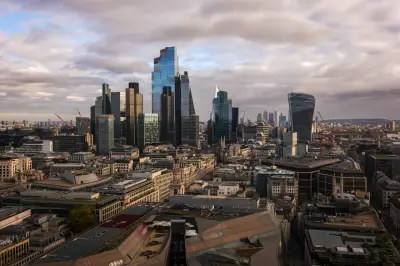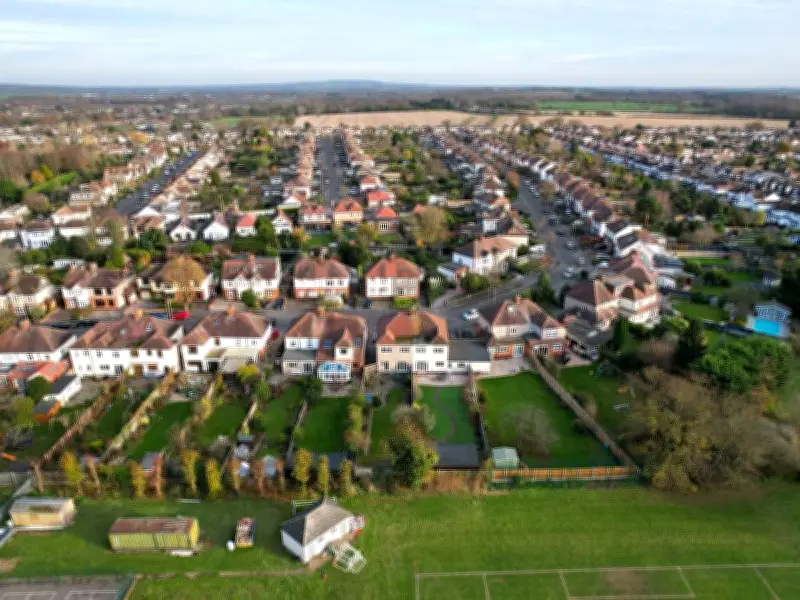
New internal migration figures from the Office for National Statistics (ONS) reveal that more than 130,000 Londoners left the capital for quieter lives in smaller towns, seaside resorts, and countryside retreats last year. In total, 420,000 people moved out of London to other parts of the UK, while 289,000 moved in, resulting in a net loss of 132,000 residents.
This exodus is part of a broader trend across England and Wales, with every major city losing more residents to other parts of the UK than it gained. London and the West Midlands were the only two regions to record a net loss in internal migration.
Borough-by-Borough Breakdown
Nearly every London borough saw more people move out than in. Newham experienced the largest net loss, with almost 50,000 people leaving and 34,000 arriving, a net decline of over 16,000 residents. Brent saw a net loss of more than 9,000, while Redbridge lost nearly 8,300 residents.

Only two boroughs gained from internal migration: Havering and Bromley. Havering had a net gain of 1,700 people, with 21,000 moving in and 19,000 moving out. Bromley saw a net gain of 583 residents.
National Trends and Drivers
Outside London, major urban hubs including Birmingham, Manchester, Nottingham, Leeds, Leicester, Coventry, Bristol, Newcastle, and Sheffield also recorded significant outflows. In total, about 4.0 million people relocated within England and Wales during 2025.
The figures suggest cities are losing appeal, possibly due to higher rents and housing costs. The rise in flexible work-from-home opportunities may also be enabling people to move away from urban centers. Conversely, rural, coastal, and shire areas saw a surge in new arrivals.
Popular Destinations and Demographics
North Yorkshire saw the highest net influx of any local authority, with 34,000 moving in and 26,000 moving out, a net gain of over 7,500 residents. East Riding of Yorkshire, Cornwall, Cheshire East, Northumberland, and Somerset also saw large net gains.
The data also shows that just over 177,000 more women than men switched locations last year, and young adults aged 18 to 30 were the most mobile demographic. More 19-year-olds (187,500) moved than any other age group, likely heading to university, followed by 22-year-olds (174,200), who may be finishing studies and seeking jobs or returning home.
These internal migration figures, which exclude immigration from abroad but include moves to Scotland and Northern Ireland, highlight a continuing shift in population distribution across the UK.