Treasury Minister Points Finger at Landlords Over Business Rates Backlash
Treasury minister Dan Tomlinson has squarely blamed landlords and industry leaders for the political firestorm surrounding Labour's controversial business rates overhaul, asserting they fundamentally underestimated how the expiration of pandemic-era subsidies would dramatically increase their tax burdens.
"People Did Underestimate the Impact"
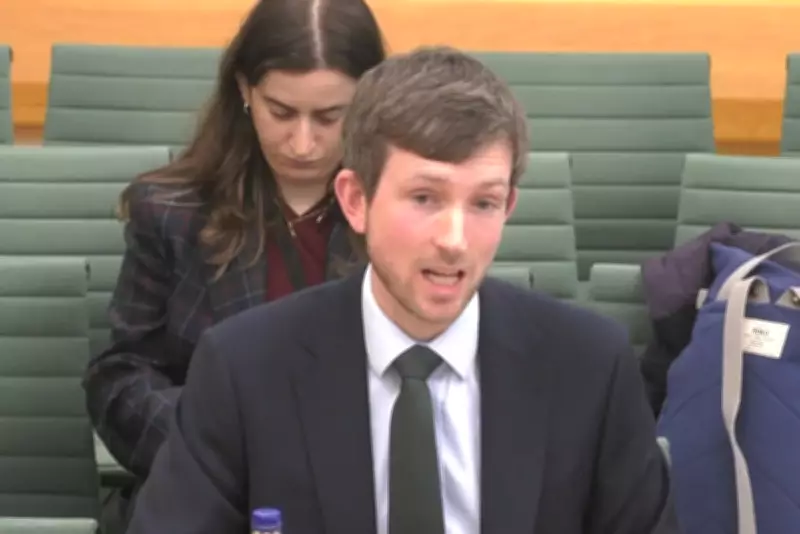
Appearing before the Treasury Committee, Tomlinson addressed the fury from pub owners facing steep hikes in their business rates—the commercial property tax equivalent to council tax. "People did underestimate the impact of the unwinding, not internally, but externally," Tomlinson stated. He elaborated that many business owners were caught off guard by the scale of tax increases because they were unaware of the magnitude of the discounts they had enjoyed during the height of the coronavirus crisis.
"The individual businesses, who had to wait till the day of the Budget to see their rateable values, did probably underestimate the extent of the unwinding of the increases in their rateable values after the pandemic," the minister added, referring to the property valuations that determine business rates bills.

A £300 Million Emergency Response
The government's reassessment of business rates, announced in the November Budget, included a 5p cut to the tax rate for hospitality and retail sectors—a move Chancellor hailed as reducing the overall tax rate to its lowest level since 1991. However, this overhaul coincided with the end of temporary pandemic support and a simultaneous revaluation of commercial properties.
This perfect storm has left hospitality firms, particularly pubs, facing an average business rates increase of 94 percent over the next three years. The fierce backlash forced the government to announce a £300 million emergency support package for the pub industry last month.
Contradictory Assessments Within Government
Business Secretary Peter Kyle previously claimed the government "didn't have access" to data from the Office for Valuation—the agency overseeing business rates—regarding how pub valuations would change as pandemic support ended. Tomlinson contradicted this assessment, maintaining that while the industry underestimated the impact, government officials did not.
Industry Failed to Raise Concerns Before Budget
Tomlinson, the MP for Chipping Barnet who became exchequer secretary to the Treasury in Downing Street's 2025 reshuffle, also revealed that industry bodies failed to voice concerns about the impending subsidy cliff edge before the Budget was finalized.
"Before the budget, we hadn't had strong and significant representations from the sector about the way that they were valued," he told committee members. The minister noted that industry groups had previously supported the specialized methodology used to calculate pubs' business rates through the Pub Rating Forum—a coalition including the British Beer and Pub Association, UK Hospitality, and the British Institute of Innkeeping.
However, support evaporated after the Budget details emerged. "On 2 December—so after the Budget—the BII withdrew their support for the guide that they had previously given their broad support to," Tomlinson explained. "The day after—on 3 December—the BBPA, UK hospitality and the society of independent brewers and Associates also did the same thing."
The minister's testimony highlights a significant communication breakdown between government and industry, with landlords and pub operators now facing substantially higher operating costs as pandemic support mechanisms fully unwind.