Higher taxes and increasingly stringent regulations are pushing tens of thousands of rental properties off the market, raising critical questions about the future of private renting in the UK.
The Squeeze on Landlords
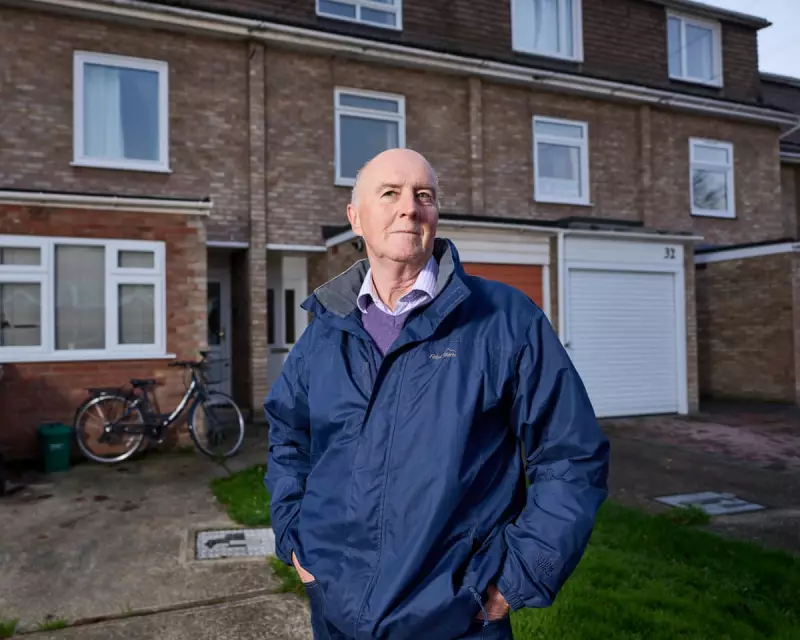
For veteran buy-to-let investor Neil France, the recent budget announcement by Chancellor Rachel Reeves was the latest blow. The 68-year-old, who owns seven properties across Merseyside and Essex, faces an additional £2,500 in annual tax from April 2027.
"I can’t absorb that kind of hit," France stated. "We’ve already been hammered by rising interest rates and other changes. I’ve had to write to all my tenants to say rents will be going up again."

The change will see tax on rental income rise by two percentage points. This means basic-rate taxpayers will pay 22%, higher-rate taxpayers 42%, and additional-rate taxpayers 47%.
A Market in Retreat
This tax hike is merely the latest pressure in a sustained campaign against smaller landlords. The sector has been transformed by the removal of mortgage interest tax relief, a 5% stamp duty surcharge on rental purchases, and a sharp reduction in the capital gains tax allowance.
The result is a steady exodus. Research from estate agency Hamptons shows the share of homes bought by a landlord in Britain has dropped from 15.8% in 2015 to just 10.8% in 2025—the lowest level since records began in 2007.
Separate analysis by Savills suggests approximately 200,000 properties left the rental market in the 12 months to the end of March 2025.
"It’s just becoming far more difficult for private, smaller landlords – almost impossible," said Philip Waters, a Norwich landlord of 20 years who is now planning to exit. "The government is clearly wishing for corporates and pension companies to run the rental sector."
Winners, Losers, and Unintended Consequences
For first-time buyers, the policy appears to be working. Hamptons data shows a record 33% of all homes sold across Britain in 2025 went to first-time buyers, up from roughly 12-15% a decade ago.
"Having a little bit less competition from investors has helped some first-time buyers," noted Aneisha Beveridge, Head of Research at Hamptons.
However, the Office for Budget Responsibility (OBR) has issued a warning. It stated that the "successive eroding of private landlord returns" risks reducing rental supply long-term, which could lead to steadily rising rents if demand outstrips supply.
With 4.7 million households (11 million people) in England renting privately, a shrinking pool of properties could make it harder for tenants to save for a deposit, counteracting the gains for first-time buyers.
Ben Beadle, Chief Executive of the National Residential Landlords Association, argued: "Piling on further tax rises that will drive up rents, while keeping housing benefit rates frozen, is a one-way street to hitting low-income tenants the hardest."
An Unfilled Void
The departure of private landlords is not being adequately offset by new housing supply. The government is behind on its target of building 1.5 million homes this decade, with only 208,600 built or converted in the year to March 2025.
The social housing stock is also dwindling, with a net loss of 180,000 social rented homes over the last decade according to Crisis.
While the build-to-rent sector, backed by institutional investors, is growing—with £2.6bn invested in the first nine months of 2025—it remains a minor player. With just 298,000 homes, it constitutes only about 2% of all privately rented homes in Great Britain.
"It’s helping fill some of the gap but is nowhere near enough," Beveridge concluded. The future of the UK's rental market hangs in the balance, caught between the government's push for homeownership and the urgent need for affordable, secure rental homes.