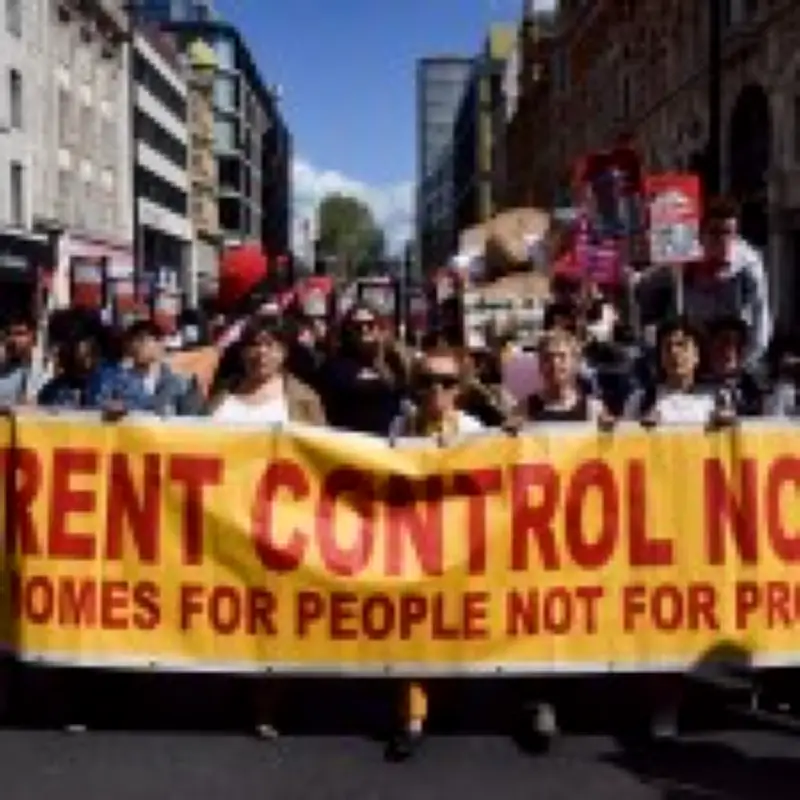
Andy Burnham's likely ascent to Prime Minister has reignited the debate over rent controls, with campaigners calling for a nationwide cap on rents while landlords warn of dire consequences for investment and supply.
Burnham's record on rent controls
As Mayor of Greater Manchester, Burnham co-signed a 2023 letter to then-Housing Secretary Michael Gove urging a freeze on private sector rents. The letter argued such a move would 'immediately relieve pressure on millions of people and halt an eviction crisis that would have a devastating social impact'. In a speech last week at the People's History Museum in Manchester, Burnham lamented that the government is 'forced to chase rents in the private-rented sector through the benefits system' and suggested 'public intervention where necessary' could 'kickstart the process of change'.
Campaigners push for action
The Renters' Reform Coalition, which helped secure measures in the Renters' Rights Act, has been energised by Burnham's words. Director Clara Collingwood said rising rental costs 'drain spending out of our high streets and local businesses to sit in landlords' bank accounts'. She added: 'Any attempt to improve living standards that doesn't tackle this head on is like trying to fill a leaking bucket. The government must introduce a cap on rents to give people security in our homes and support happier, more stable communities.'

A spokesperson for London Mayor Sadiq Khan, also a long-term advocate for rent controls, pointed to the 6,000 rent control homes for key workers planned for the capital. He said: 'The next step is for ministers to devolve the power to cap rents so we can tackle the capital's problems of both affordability and supply. And the evidence is clear – Londoners would overwhelmingly back new plans to put a cap on rent increases in the capital.'
Landlords warn of supply crisis
However, Chris Norris of the National Residential Landlords Association said the 'fastest way to cripple investment and deepen the UK's ongoing supply crisis would be to introduce rent controls in any form'. He added: 'Wherever these measures have been introduced the consequences have been the same: reduced investment in rental properties, less choice, and worse outcomes for tenants. The most effective way to address the chronic shortage of available rented accommodation is for the Treasury to put effective, impactful pro-growth policies in place which encourage landlords to stay in the market to let the rental properties so many tenants need.'
Devolution or central control?
Burnham, who could become PM as soon as July 20, has put devolution at the heart of his plans for government. This suggests he may prefer to give local mayors the power to cap rents rather than impose a national freeze from No 10. A spokesperson for Burnham said: 'Andy has been clear that Britain needs a fundamental shift of power out of Westminster and into its regions and nations, giving local leaders the tools they need to grow their economies, improve public services and tackle the pressures facing their communities. He believes London should have a new devolution settlement, alongside stronger powers for every part of the country. The detail of any new powers will be worked through and Andy will not be setting out specific proposals at this stage.'
Lessons from Scotland
In an interview with Metro in April, former Housing Secretary Steve Reed argued that rent controls introduced by the SNP and Greens in Scotland led to a 'massive increase in rents' each time tenants moved out, as well as a reduction in available homes. He said: 'We've got a housing crisis, we've got a cost of living crisis – the last thing we want is rents going up and fewer homes becoming available for people to live in.' Some campaigners now call for a cap on rent rises between tenancies, similar to the rule in the Renters' Rights Act preventing hikes for sitting tenants, to avoid that scenario.