Fresh economic surveys have painted a sobering picture of the UK's business landscape at the close of 2025, revealing a significant weakening in confidence and a contraction in hiring. This contrasts with Prime Minister Keir Starmer's new year assertion that the country was poised to start feeling richer.
Jobs Market Signals Caution Amid Rising Costs
According to a joint study by KPMG and the Recruitment and Employment Confederation (REC), the UK jobs market weakened in December 2025. The data showed a decline in both full-time and temporary staff appointments, indicating that companies were pausing recruitment plans.
Jon Holt, KPMG's group chief executive, stated that the market was "still signalling caution" after a prolonged period of rising cost pressures and global economic uncertainty. He added that this hiring restraint was likely to persist in the near term as firms remained flexible by utilising temporary staff where possible.
Business Optimism Hits a Five-Year Low
This caution was mirrored in broader business sentiment. The latest Business Trends Report from accountancy firm BDO recorded a sharp fall in its optimism index at the end of 2025. The index dropped to its lowest level in nearly five years, reflecting growing concerns among business leaders.
Scott Knight, Head of Growth at BDO, explained the downturn, saying, "Business costs are rising and turnover expectations are falling; it’s no wonder that optimism is on the floor." He called for decisive action, such as further interest rate cuts and a clear government roadmap, to encourage businesses to grow and invest.
Manufacturers See Hope, But Issue a Stark Warning
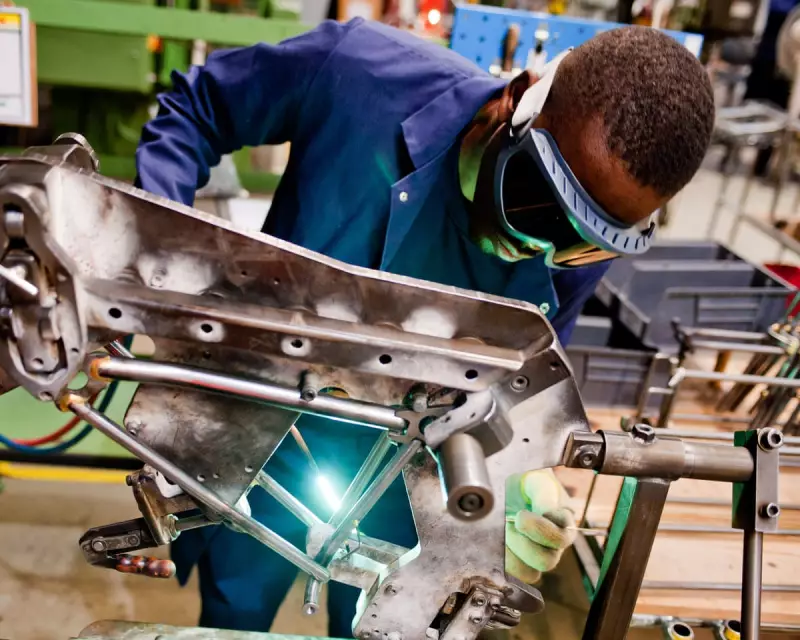
Amid the gloomy outlook, there was a note of conditional optimism from Britain's industrial base. An annual survey by the manufacturers' organisation Make UK and PwC found that a majority of manufacturers believe opportunities for success outweigh the risks in 2026. Many attributed this positive outlook to the government's recently introduced industrial strategy.
However, the report carried a serious caveat. Make UK warned that spiralling business costs, particularly for employment and energy, were approaching "a tipping point whereby investment plans will be cancelled or shifted overseas."
Stephen Phipson, Chief Executive of Make UK, emphasised that manufacturers need a favourable environment to thrive. "Despite the commitment to an industrial strategy, not only is growth anaemic but the warning lights are now flashing red on the UK as a competitive place to manufacture and invest," he said. "The government promised significant change; now is the time to deliver it."
The surveys collectively present a complex economic snapshot as the UK entered 2026. While the Prime Minister pointed to cuts in energy bills and interest rates as signs of progress, business leaders highlighted persistent challenges of high costs and uncertainty, demanding more concrete support to unlock investment and restore confidence.