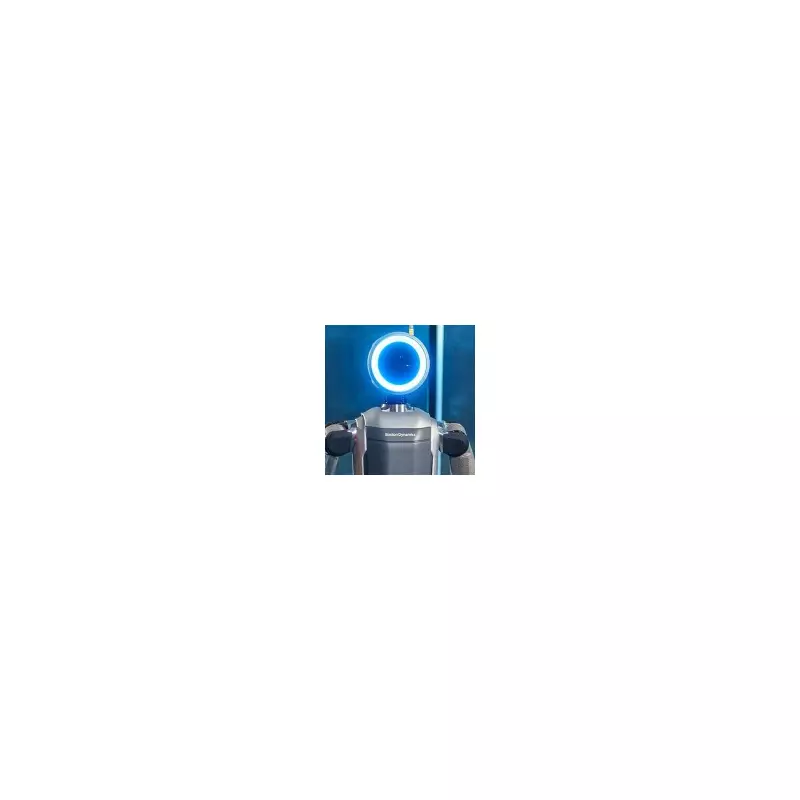
In a significant leap for industrial automation, the Hyundai Motor Group has declared it will begin using advanced humanoid robots for mass production in its car factories from 2028. The announcement, made at the Consumer Electronics Show (CES) in Las Vegas, outlines a future where robots and humans work side-by-side on the production line.
The Roadmap for Human-Robot Collaboration
The South Korean automotive giant revealed its strategy to integrate robotics more deeply into its operations, calling it a 'bold roadmap for advancing human-robot collaboration'. The robots at the heart of this plan are the Atlas models from Boston Dynamics, a company in which Hyundai acquired a controlling stake back in 2021.
Hyundai intends to 'integrate Atlas across its global network' of manufacturing plants. This includes its new Metaplant America facility in Savannah, Georgia—a site that previously made headlines in September last year following the arrest of hundreds of immigrant workers.
Phased Integration and Long-Term Vision
The initial deployment will see the humanoid machines taking on labour-intensive or high-risk tasks. This shift is designed to allow human employees to focus on more skilled roles, such as training the robotic workforce and providing essential oversight. The robots will start with simple, proven-safe jobs like parts sequencing before progressing to roles involving repetitive motions, heavy lifting, and complex operations.
Looking further ahead, Hyundai envisions a world of 'large-scale robot commercialisation', where these machines 'naturally integrate into everyday life'. The company's ultimate goal is a seamless coexistence where humans and robots collaborate to generate new value and enrich experiences.
Overcoming Challenges and Industry Skepticism
While humanoid robots have historically faced hurdles—such as balance problems and the unsettling 'uncanny valley' effect—Hyundai is confident. The firm believes development is progressing so rapidly that humanoids will become 'the largest segment of the physical AI market'.
However, not all experts are convinced. Romain Moulin, founder of robotics firm Exotec, expressed significant doubts about their practicality in industrial settings. 'Payload, autonomy, and safety are the biggest challenges,' Moulin explained. He questioned the need for legs in a warehouse, stating, 'Why would you want legs on a flat concrete floor? You will save half of your robot price by removing them.' Exotec produces wheeled Skypod robots used by major retailers.
Despite this scepticism, Hyundai is not alone in its ambition. Other industry leaders, including Tesla, Amazon, and Chinese automaker BYD, have also announced trials of humanoid robots in their manufacturing and logistics operations.