
MSC's 'Blue Tick' Scheme Faces Criticism Over Labour Abuses in Certified Fisheries
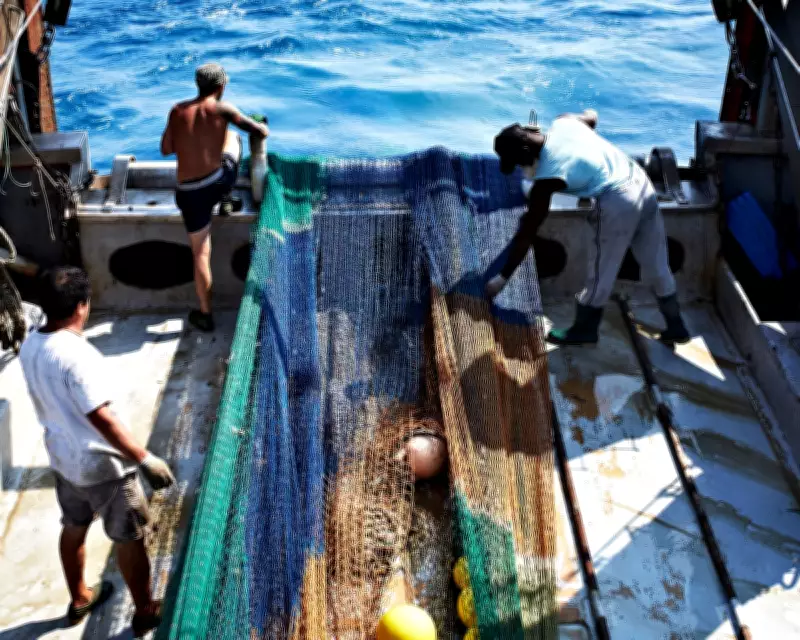
A recent study has accused the Marine Stewardship Council (MSC) of creating an "illusion" of ethical sourcing through its "blue tick" sustainability certification, as researchers report widespread labour abuses on approved fishing vessels. The investigation, commissioned by the International Transport Workers' Federation (ITF), found that one in five vessels where crew reported abuses over the last five years were certified by the MSC, highlighting a significant disconnect between environmental and social standards in the seafood industry.
Widespread Abuses Uncovered in MSC-Certified Fisheries
Researchers identified 80 cases of labour abuses onboard 72 vessels across 25 MSC-certified fisheries globally, ranging from North Sea haddock operations in Scotland to tuna fisheries in the Pacific islands. These cases included allegations of serious crimes such as forced labour, human trafficking, and forced criminalisation, with ten instances involving such severe violations. The most common abuses reported were unpaid or delayed wages, but the list also encompassed excessive working hours, violence, harassment, denial of medical care, and debt bondage.
Dr. Jessica Sparks, co-author of the report titled Slipping through the net: labour abuses in MSC-certified fisheries, emphasized that the analysis adds to growing concerns that MSC's policies may obscure labour abuses by undermining enforcement efforts and reducing scrutiny. She noted that the MSC's policy of excluding vessels with convictions for forced or child labour is problematic due to the rarity of prosecutions, focusing on a narrow legal definition and potentially overlooking other exploitative practices.
Underreporting and Repeat Offenders Highlight Systemic Issues
The ITF warned that the reported abuses on "blue tick" vessels are likely an underestimate, as the study relied solely on ITF data from 354 vessels. National unions, seafaring organisations, and other maritime authorities regularly receive additional reports, suggesting a broader issue. The study also identified repeat offenders, such as one North Sea fishing vessel that had three alleged cases of withheld wages and one of debt bondage over five years while still approved to sell catches under the MSC label.
Chris Williams, ITF fisheries co-ordinator, stated that the MSC's lack of social assurance risks masking abuses and misleading consumers who believe they are purchasing ethically sourced products. The International Labour Organization estimated in 2022 that approximately 128,000 workers were trapped in forced labour on fishing vessels globally, underscoring the scale of the problem.
MSC's Response and Ongoing Challenges
In response, an MSC spokesperson acknowledged that the organisation's policies are no substitute for businesses' human rights due-diligence responsibilities and made no claim to offer social assurance. The MSC, which identifies as an environmental organisation without a social mandate, stated that addressing forced and child labour requires industry-wide collaboration. The spokesperson defended the use of convictions as a clear, objective basis for confirming forced labour, given the organisation's lack of labour assessment capacity.
The MSC has ended the use of third-party social audits after an expert panel found them ineffective on labour issues and is developing a third-party online information portal to enhance transparency. However, critics argue that without robust mechanisms to identify and remedy abuses, the "blue tick" scheme continues to foster an illusion of ethical sourcing, leaving workers vulnerable in global seafood supply chains.




