
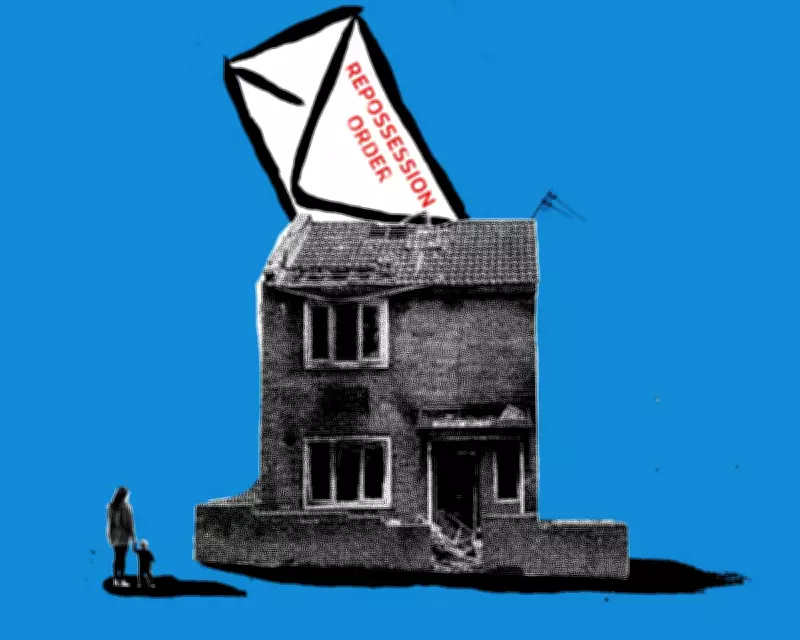
A Nightmare Unfolds: From Domestic Abuse to Financial Ruin
Francesca Onody's family life shattered on a late summer evening in 2022 when her abusive husband, Malcolm Baker, doused their cottage with petrol as police arrived to arrest him. She and her children escaped mere seconds before the building exploded, leaving Baker dead in the blaze. That tragic night, Onody lost not only her husband but also her home, pets, and all her possessions.
Her financial security vanished too, as Baker had emptied their joint bank accounts and cancelled her mortgage protection and buildings insurance shortly before his death. Three years later, the mortgage lender, Halifax, threatened to repossess the property to cover £35,000 in mortgage arrears and other charges that had accumulated since the fire. This included the land where Onody and her children had been living in a caravan amidst the ruins.
Legal Battles and Systemic Failures
"It feels like my world has once again imploded," Onody said when she first contacted Guardian Money in June last year. "I saw my home razed to the ground. I've scraped together to put a very basic roof over mine and my kids' heads, and now the Halifax want to literally pull the ground out from under our feet." Her ordeal highlights the severe legal and financial obstacles domestic abuse victims face long after a relationship ends.
In the years following Baker's death, Onody had to challenge his will, which left her with nothing, battle banks and insurers, and fund a barrister for his inquest. Red tape at the Probate Office and Land Registry left her in legal limbo for months. At one point, she even faced potential blame for Baker's death when the Home Office commissioned a domestic homicide review, later apologising and acknowledging Baker as the perpetrator.
Escalating Abuse and a Final Confrontation
Onody's nightmare began years before the explosion. Baker, a retired Metropolitan police superintendent, had become mentally unstable and a heavy drinker after retiring in 2011. Matters escalated when Onody demanded a divorce. "He became more vindictive, threatening to ruin mine and my kids' lives," she recalls. "We lived in a constant state of anxiety, wondering whether in a drunken stupor or one of his rages he might destroy our house around us while we slept."
Baker began stockpiling petrol canisters in the home, and Onody made frequent calls to the police as his behaviour grew more threatening. On the final night, she dialled 999 after a confrontation. When officers arrived, Baker barricaded himself upstairs, and petrol streamed through the ceiling. Police evacuated the house just before it caught fire and exploded, with Baker unable to be saved.
Struggles with Mortgage and Repossession Threats
After moving into a caravan without heating or piped water, Onody faced further hurdles since the property deeds and mortgage were in Baker's sole name. It took 28 months to contest his will and be appointed as personal representative of the estate. During this time, she couldn't discuss the mortgage with Halifax, leading to £34,700 in arrears and legal fees building up, along with a repossession order.
Halifax initially agreed to let her remortgage but withdrew the offer last June, demanding debt repayment within two months. "I am being punished for my husband's actions, with the Halifax now acting in his place as financial controller and abuser," Onody stated in an impact statement.
Resolution and Hope for the Future
Halifax suspended the repossession order after Guardian Money intervened, admitting a staff error and paying £500 in apology. A spokesperson said, "We truly sympathise with Ms Onody and understand how incredibly difficult this has been for her and her family." The bank paused legal action, provided financial support, and removed all interest and charges since Baker's death.
The Land Registry expedited the transfer of deeds, and Onody became the legal owner in November, paying off the mortgage this month. She now hopes to sell the land and buy a property elsewhere to rebuild a life with her children. "It's been a really tough time for years," she says, "but I'm ever-optimistic that there can be some degree of happy ending."
Broader Implications and Support Gaps
This case underscores ongoing issues in financial support for vulnerable customers. The Financial Conduct Authority's 2023 Consumer Duty rules require firms to act flexibly, but charities like Surviving Economic Abuse note that victims are still being failed. "This story is a heartbreaking but sadly all-too-common reflection of the devastating harm caused by economic abusers," says chief executive Sam Smethers.
Financial services have made progress, but there's a long way to go in protecting victim-survivors from such profound harm.




